Foods That Keep You Full the Longest: High-Protein and High-Fibre Picks
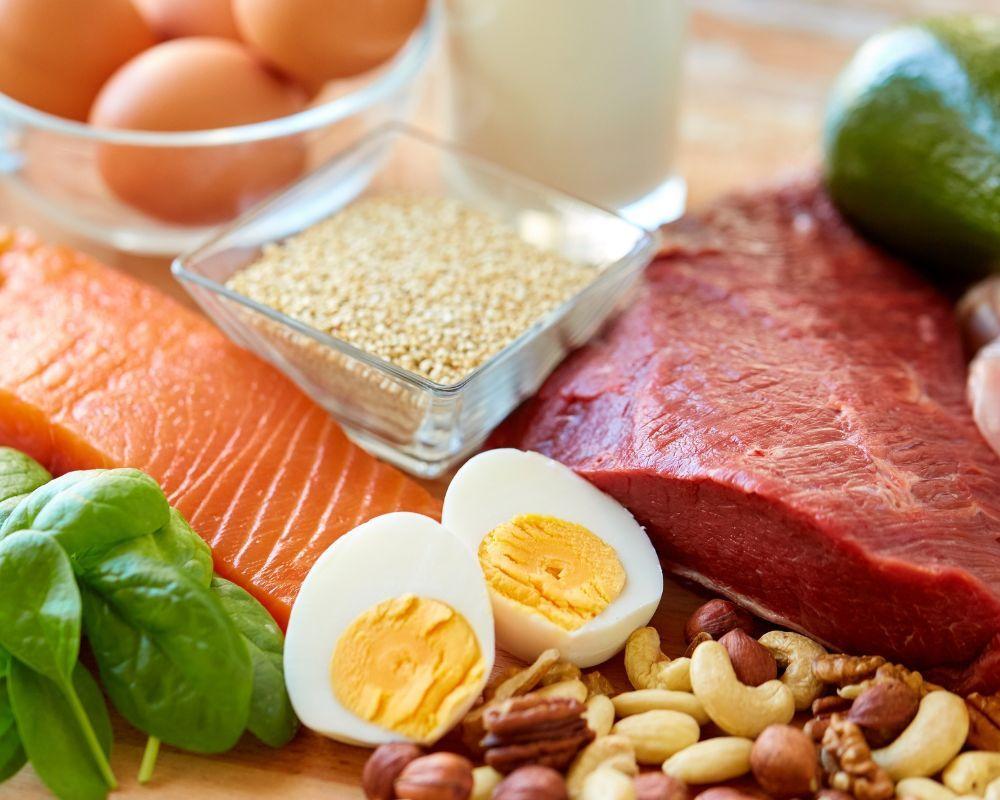
The foods that keep you full the longest are high in protein, fibre or healthy fats. Good choices are pulses, oats, eggs, skyr, quark, Greek yoghurt, nuts and seeds, boiled potatoes and high-fibre jackfruit, best eaten together in a balanced meal.
Some meals keep you full all afternoon. Others leave you hungry again within an hour. The difference isn’t how much you eat. It’s what the meal is made of. Do you want to snack less, handle sugar cravings better or keep your energy up for longer? Then pick foods that really keep you full. Which ones are they, and why do they work better than sweet snacks or bread?
Why do some meals keep you full longer than others?
You may know this feeling. You eat a sweet croissant or a roll with jam for breakfast, and an hour later you’re thinking about what to eat next. Another day, you eat a bowl of porridge or a lentil salad, and you don’t get hungry until much later. The difference is often not the amount of food, but what’s in it.
Several things affect how full you feel:
Protein: your body digests it more slowly, so it keeps you full.
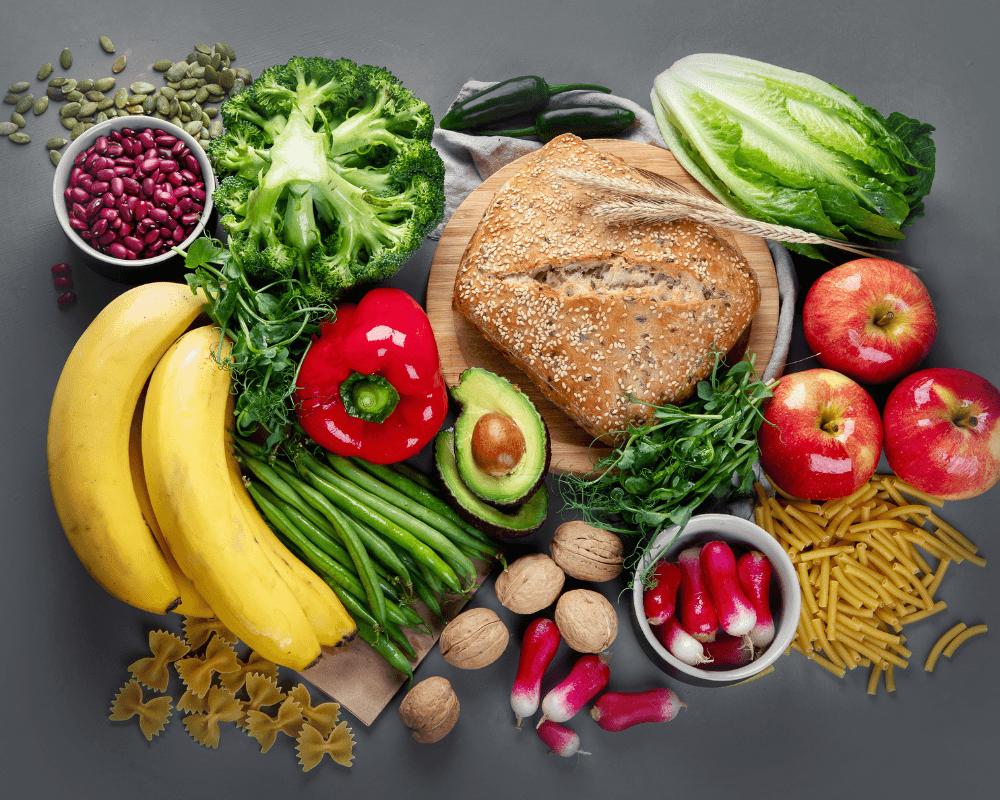
Fibre: it adds bulk to food, helps digestion and slows down how fast your body takes in carbs.
Healthy fats: they make digestion last longer, so you stay full longer.
The size of the meal: a plate full of vegetables, pulses or oats usually fills you up better than sweets with the same calories.
Meals made mostly of sugar or white flour give you quick energy, but you lose it just as fast. Your blood sugar goes up sharply after eating and then drops. That often makes you hungry again soon, or gives you a craving for something sweet.
So if you want to go longer without feeling hungry, build your meals around foods with enough protein, fibre and good fats. You’ll find them in many everyday foods. Let’s look at them.
Why are pulses so filling?
If we had to pick one food group that keeps you full for a really long time, it would be pulses. Chickpeas, lentils and beans have both protein and fibre. So they digest more slowly than sides made from white flour. They release energy slowly, so you don’t get hungry fast or crave sugar after the meal.
Pulses are also very versatile. They work in salads, soups, curries, spreads or as the base for plant-based burgers. Does the long soaking and cooking put you off? Then use good canned pulses. Just rinse them, and in a few minutes you have the base for a healthy meal.
Why are oats good for breakfast?
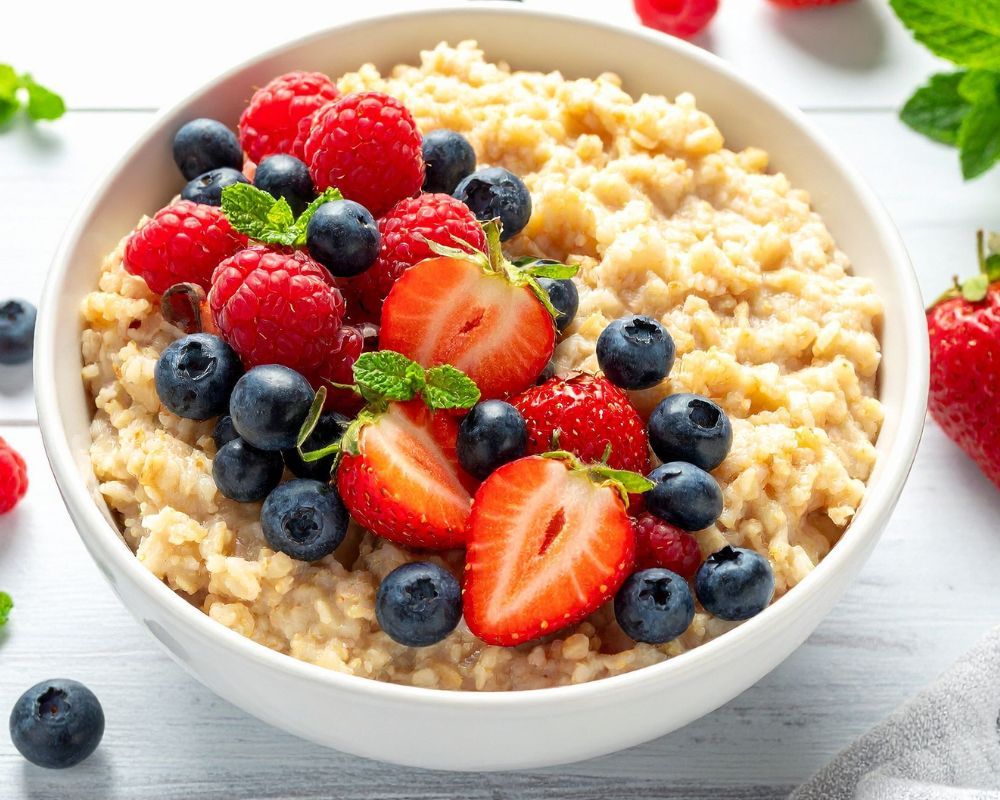
Oats are one of the most recommended breakfasts, and that’s no accident. They have beta-glucans, a type of soluble fibre. It slows digestion and helps you feel full for longer. That’s why porridge usually keeps you going much longer than sweet pastries or sugary cereals.
Oats are also very versatile. You can make warm porridge, popular overnight oats, or add them to a smoothie. Top your porridge with skyr, nuts or seeds. Then you get a more balanced meal with more protein and healthy fats, and it will keep you full until lunch.
Are eggs filling?
Yes, more than you might think. Eggs have some of the best-quality protein. It helps you stay full for longer and helps keep your muscles strong. That’s why a breakfast with eggs often keeps you full better than sweet pastries or cereal.
They are also very handy. Make scrambled eggs or an omelette, boil them, or add them to a salad. For an even more balanced meal, add vegetables and maybe a slice of wholegrain bread.
Skyr, quark and Greek yoghurt
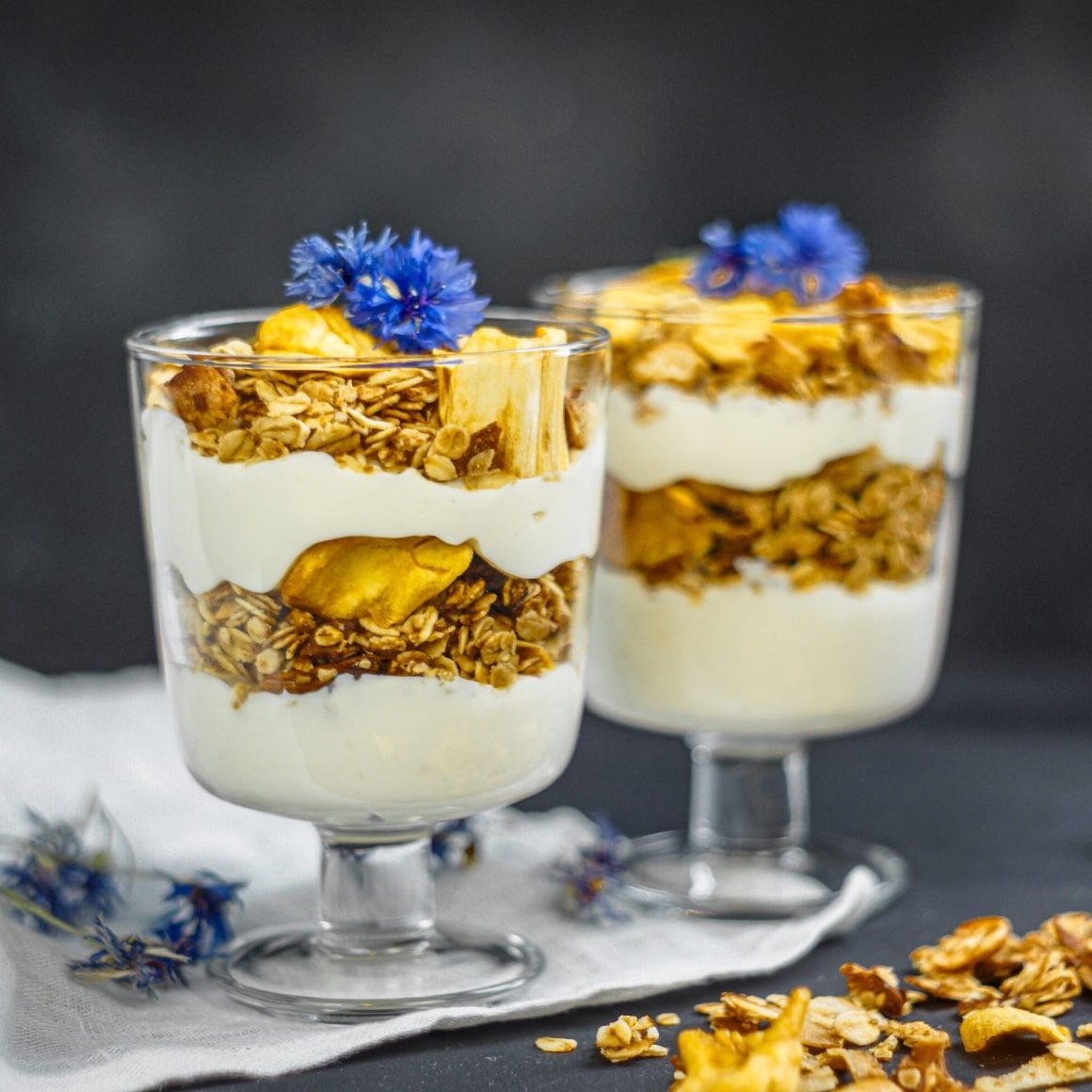
Want a quick snack or a light dinner? It’s hard to find a better choice. Skyr, quark and Greek yoghurt have lots of protein, which helps you stay full for longer. The plain versions also usually have little added sugar.
To make your snack more interesting, add:
fresh fruit,
nuts or seeds,
oats,
a little cinnamon or good cocoa.
In a few minutes, you have a snack that fills you up much better than a typical sweet dessert.
Nuts and seeds: a small portion with a big effect
Nuts and seeds are rich in healthy fats, fibre and many vitamins and minerals. The fats slow down digestion, so they help you stay full longer.
But keep in mind that they are high in calories. So one small handful or a few spoonfuls of seeds is enough. They work best as part of a meal, for example in yoghurt, porridge or a salad, rather than on their own.
Are potatoes filling?
Yes. Many people think potatoes are a food to avoid, but that’s unfair. In fact, they are one of the most filling foods. They have lots of water and volume, so they can keep you full for a surprisingly long time.
But how you cook them matters. The best choices are:
boiled potatoes,
potatoes boiled in their skins,
baked potatoes with very little fat.
Chips or potato crisps are very different. They don’t keep you full like boiled potatoes do.
Does jackfruit keep you full?
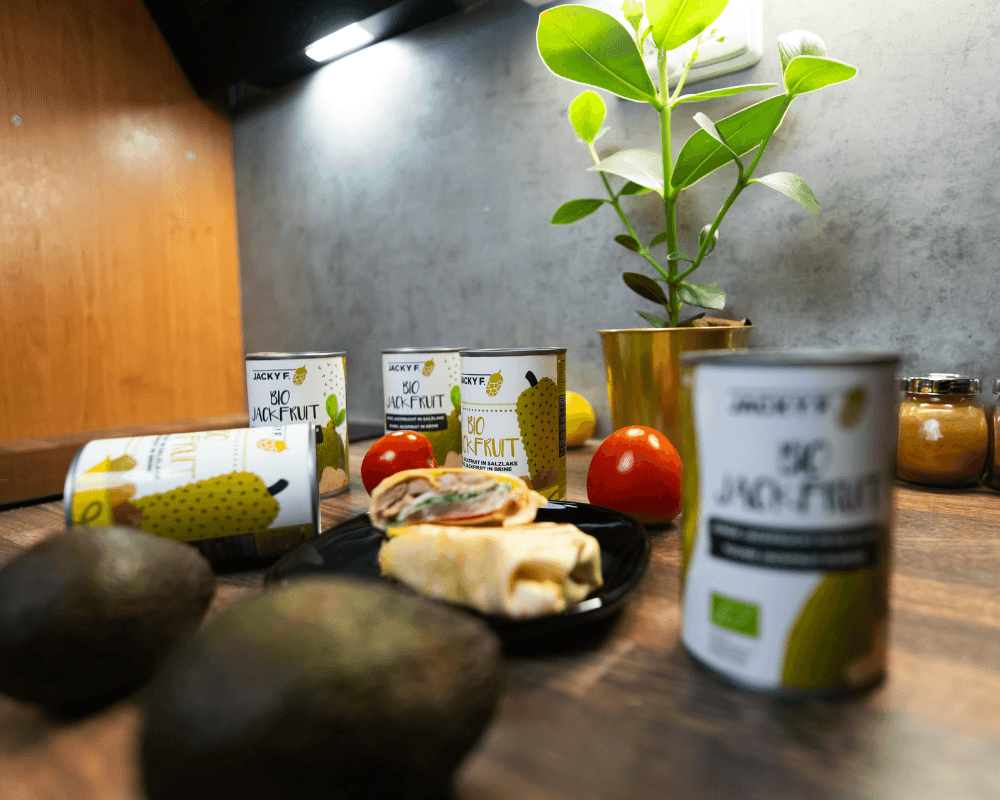
Yes, mainly because of its fibre. Jackfruit isn’t high in protein, but it can still be part of a filling meal. Its big plus is its fibre and its large volume. It fills your plate without adding many calories.
Young jackfruit also takes on the flavour of spices and sauces, so it’s great in:
To make it even more filling, combine it with pulses, wholegrain sides or other sources of protein.
Why does the mix of foods matter?
No single food will keep you full for hours on its own. What works best is a mix of nutrients that work together.
When you build a meal, try to combine:
protein (eggs, skyr, pulses),
high-fibre foods (oats, vegetables, pulses),
good carbs (potatoes, wholegrain bread),
healthy fats (nuts, seeds, olive oil).
For example, porridge with yoghurt and nuts, a lentil salad with vegetables, or a chickpea and jackfruit curry will keep you full much longer than plain bread or a sweet bar.
What are the most common mistakes that make you hungry soon?
Do you get hungry again soon after eating? You may be making one of these common mistakes:
Sweet breakfasts made mostly of sugar and white flour.
Too little protein, which helps you stay full.
Not enough fibre from fruit, vegetables, pulses or whole grains.
Liquid calories, like sweet drinks or fruit juices, which only fill you up for a short time.
In most cases, a few small changes are enough. You’ll notice the difference within a few days.
What are the key takeaways?
If you want to go longer without feeling hungry, you don’t need miracle foods. It’s much more important to build meals from good ingredients with enough protein, fibre and healthy fats. This mix helps keep your energy steady and stops sugar cravings and constant snacking between meals.
Whether you choose pulses, oats, eggs or skyr, always aim for variety. Jackfruit can work well too. Its fibre and versatility make it easy to add to filling meals like curries, tacos or burgers.
It’s not about eating as little as possible. It’s about picking foods that keep you full for longer. Your body will thank you with steadier energy, less hunger and an easier time eating healthily.
Author: Ing. Kateřina Jakešová, nutrition specialist and copywriter
FAQ: Foods that keep you full
Which food keeps you full the longest?
Pulses like lentils, chickpeas and beans are among the most filling, thanks to protein and fibre.
Why am I hungry soon after breakfast?
Sweet breakfasts made of sugar and white flour raise blood sugar fast and then let it drop.
Are potatoes filling?
Yes. Boiled or baked potatoes are very filling. Chips and crisps are not.
Is jackfruit filling?
Yes. Jackfruit is high in fibre and adds volume to meals without many calories.