High-Fibre Vegan Diet: Why Fibre Matters and the Best Plant Sources
Fibre helps your digestion, keeps you full and feeds your gut bacteria. Adults need about 25–30 g a day, and on a vegan diet you can get it from pulses, whole grains, vegetables, fruit, nuts, seeds and jackfruit.
You’ve just made the perfect vegan lunch. It has colourful vegetables, juicy fruit and healthy beans. But something is still missing. That something is fibre. It is easy to overlook, but it is a must for a healthy diet. It helps digestion, keeps you full and supports a healthy gut. Yet many people don’t get enough.
Be honest: do you ever think about how much fibre you eat in a day? You may be surprised to learn that most people don’t eat enough. On a plant-based diet, it’s a bit easier. But even a mountain of vegetables on your plate doesn’t mean you have it covered. So what are the best sources of fibre? How much do you need? And how can you add it to your meals in a tasty way?
What is fibre and why does it matter?
We often forget about fibre, but it is a real hero for our digestion. It has almost no calories, yet it is very important for our health. It helps the gut work well, keeps you full for longer and even lowers the risk of some diseases. Still, most people eat far less of it than they should.
There are two types of fibre: soluble and insoluble.
Soluble fibre is found in beans and lentils, fruit and oats. It slows digestion and helps keep blood sugar steady.
Insoluble fibre is found in whole grains, seeds and vegetables. It adds bulk to stools and supports gut health.
It’s best to eat both kinds, so your body gets everything it needs.
What does soluble fibre do?
Soluble fibre acts like a natural brake on digestion. In the stomach, it turns into a soft gel. This gel slows down how fast your body takes in sugars and fats. That helps keep blood sugar steady and lower cholesterol. So it keeps you full for longer and helps stop you from overeating. It is also great food for the good bacteria in your gut, such as probiotics. So it is key for a healthy gut and a strong immune system.
Where can you find it on a vegan diet?
Fruit: apples, pears, citrus fruits, berries
Pulses: lentils, chickpeas, beans
Oats: great for breakfast and smoothies
Seeds: chia, flaxseed, psyllium
Exotic fruits: jackfruit from Jackies, bananas
Do you want to help your digestion, cut sugar cravings and keep your energy up all day? Then adding soluble fibre to your diet is a great step.
What does insoluble fibre do?
Do you want to keep your digestion healthy and regular? Then you need insoluble fibre. It adds bulk to stools. This helps the gut work better and prevents constipation. It works like a natural brush that cleans your gut and supports healthy gut bacteria.
Where can you find it on a vegan diet?
Vegetables: carrots, broccoli, kale, spinach
Whole grains: brown rice, rye bread, quinoa
Pulses: beans, peas, lentils
Nuts and seeds: almonds, sunflower seeds
Exotic fruits: dried fruit, coconut, jackfruit
Is your digestion slow, or do you feel your gut isn’t working as it should? Insoluble fibre is a natural way to get things moving. Just drink plenty of water with it, and your tummy will thank you!
How much fibre do you need each day?
You may think you get enough fibre. You eat vegetables and fruit, and maybe a wholemeal roll now and then. But did you know that adults should eat 25–30 g of fibre a day? Most people barely get half of that.
What’s worse, you don’t notice a lack of fibre right away. But over time, it can lead to digestive problems, blood sugar swings or even a higher risk of lifestyle diseases.
When you think of fibre, you probably think of oats or beans. But there are plenty of sources you may never have thought of. Try jackfruit, or nuts, seeds and exotic fruits. They give your body what it needs and taste great too. So how can you add fibre to your diet without thinking about every bite?
8 easy tips for more fibre on a vegan diet
Getting enough fibre on a vegan diet isn’t rocket science. A few simple changes are all it takes to make fibre a natural part of your meals. Here’s how:
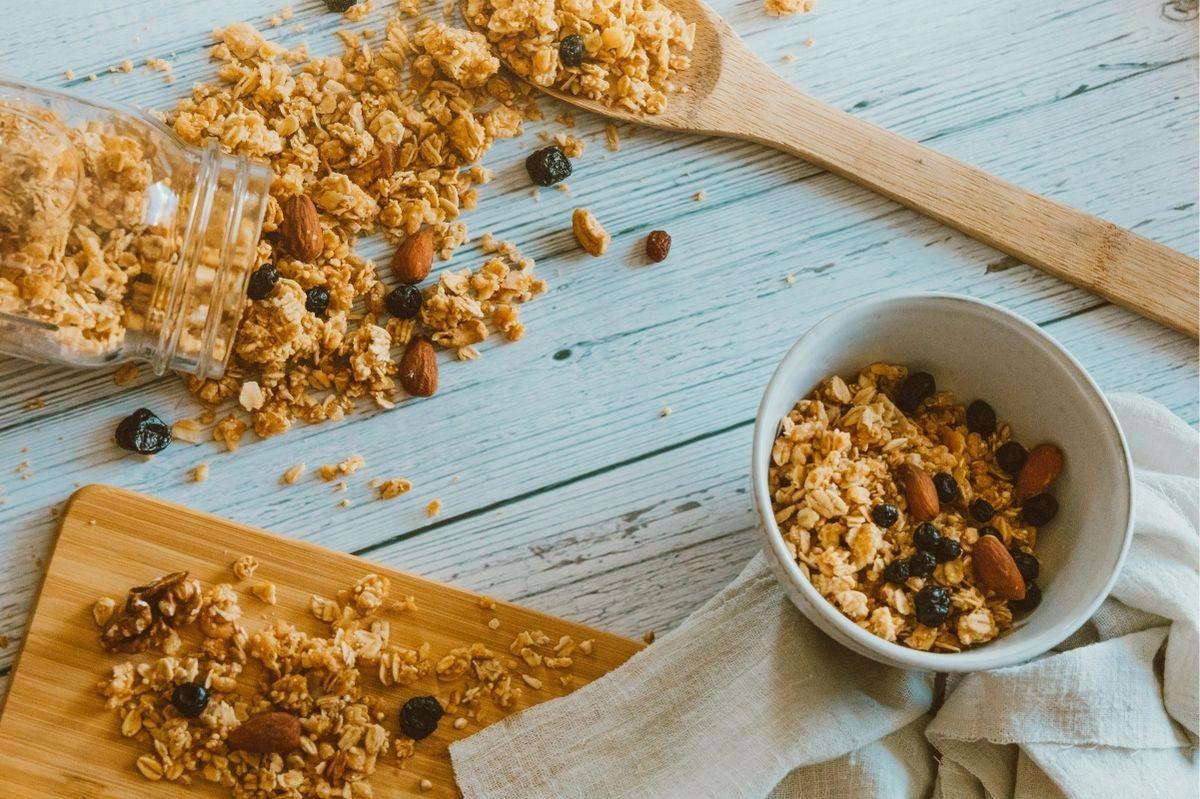
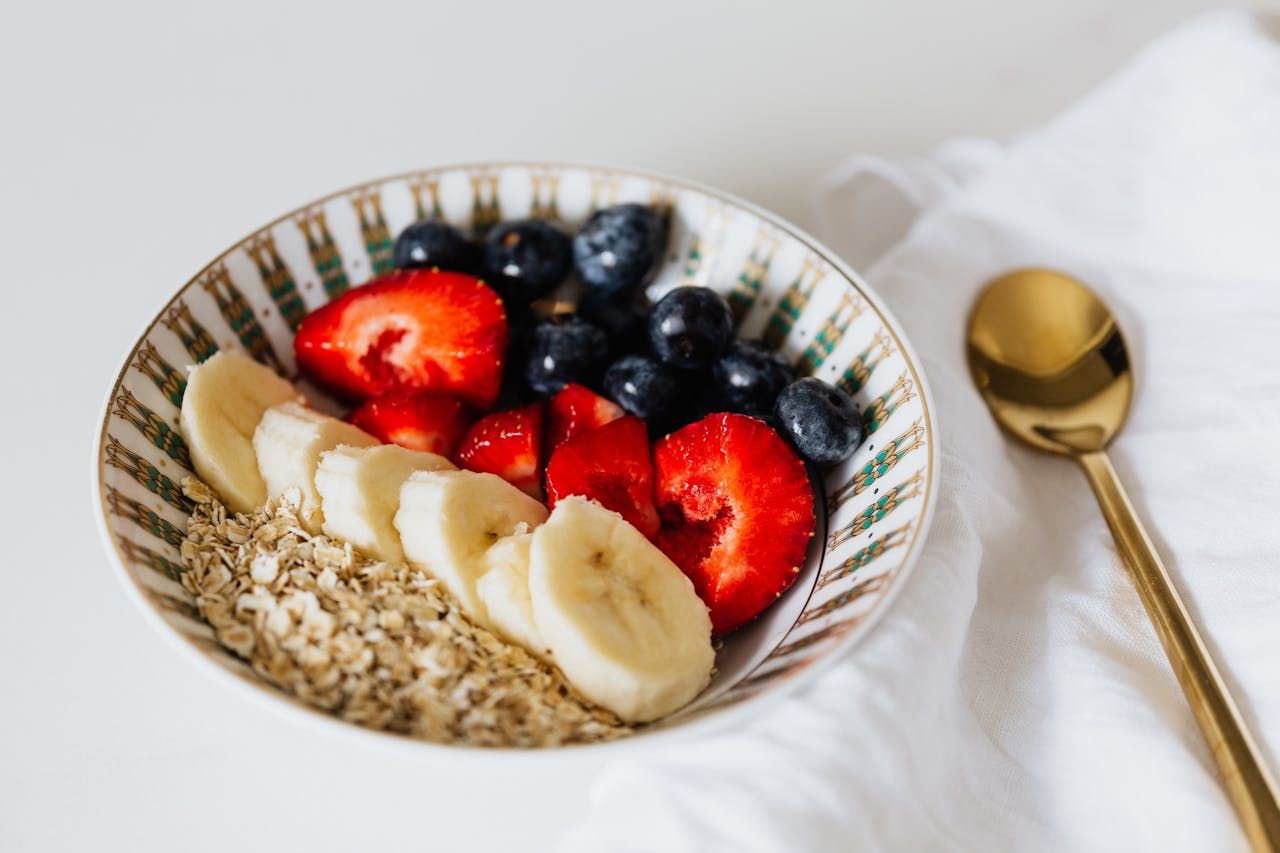
Start at breakfast. Have porridge with fruit and seeds, a smoothie with chia seeds or wholemeal toast with avocado.
Choose wholegrain options. Instead of white rice, pick brown rice, bulgur or wholemeal bread.
Eat pulses at least once a day. Lentils, chickpeas, beans and peas are a great source of fibre and plant protein. They’re great in soups, salads and spreads.
Don’t forget nuts and seeds. You can add chia, flax, pumpkin or sunflower seeds to smoothies, porridge or salads. Almonds and walnuts make a great quick snack.
Eat exotic fruit every day. Jackfruit is great as a meat alternative, but it is also a tasty source of fibre. Add it to tacos, burgers or a stir-fry.
Eat more vegetables and fruit. Try dried fruit like figs, dates or raisins, which are packed with fibre. Add leafy greens, broccoli or carrots to every meal.
Use psyllium as a quiet helper. Still short on fibre? Stir a teaspoon of psyllium into water. It is one of the best supplements to help digestion.
Drink enough water. Fibre soaks up water, so make sure you drink plenty.
With these simple steps, you won’t have to worry about every bite. Fibre will find its way into your diet naturally, and your tummy will thank you.
Why is fibre the key to a balanced vegan diet?
Fibre is a must for a healthy diet. A vegan diet is full of plants, but that doesn’t mean you’ll get enough fibre on its own. The quality and variety of your food matter a lot. If you eat mostly highly processed products, you may get less fibre than you think.
But if you eat pulses, whole grains, nuts, seeds, vegetables and exotic fruits like jackfruit from Jackies, you’ll support good digestion, steady energy and overall health.
Want to be sure you eat enough fibre? Start with small changes. Add more whole grains, more kinds of vegetables, pulses and smart plant-based options. Your gut, your immune system and your whole body will thank you!
FAQ: Fibre on a vegan diet
How much fibre do I need a day?
Adults should eat about 25–30 g of fibre a day.
What are the best high-fibre vegan foods?
Pulses, whole grains, oats, vegetables, fruit, nuts, seeds and jackfruit.
What is the difference between soluble and insoluble fibre?
Soluble fibre forms a gel and keeps blood sugar steady. Insoluble fibre adds bulk and keeps digestion regular.
Is jackfruit high in fibre?
Yes. Jackfruit is a tasty source of fibre and a great plant-based meat alternative.