How to Choose a Healthy Snack: What to Check on the Ingredient List
To choose a healthy snack, read the ingredient list, not the front of the pack. A good snack has a short list of real foods, little added sugar or sweeteners, and a mix of protein, fibre and fat that keeps you full.
Choosing a good snack isn’t as easy as it seems. Shelves are full of products that look healthy, light and fit. Their packs are covered in words like organic, sugar-free, protein and natural. Yet some of them leave us feeling far from good. We get hungry again soon, feel tired, or start craving something else.
The problem often isn’t that we choose badly. It’s that the marketing is stronger than the ingredients. To pick a good snack, you just need to know what to look for.
Is a snack healthy just because the pack says so?
No. The label on the front doesn’t prove anything. Labels like healthy, fit or light don’t have strict rules. A product can promise all these things and still not be a balanced snack.
A classic example is the popular protein label. A “protein” cheese or milk may have only 2 g more protein than the normal one. Yet you pay more for it for no good reason.
You can’t judge a snack by its design or slogan. You judge it by its ingredients and by how you feel after eating it. That’s why the ingredient list is the first place to look.
How do you spot hidden sugar?
Sugar comes up a lot when we talk about snacks. But it isn’t just white sugar. It can hide in the ingredient list under many names:
glucose syrup
fructose
rice syrup
fruit concentrate
lots of dried fruit
That doesn’t mean every snack must have no sugar at all. What matters is where the sugar comes from and what it comes with. A naturally sweet food with fibre and fat acts differently in the body than fast sugar with nothing else. If sweetness is the main thing a snack offers, it usually gives quick energy but doesn’t keep you full for long.
Are sugar-free snacks with sweeteners better?
Not always. Many “healthy” snacks contain sweeteners like sucralose, maltitol, erythritol or sorbitol. They make a product taste sweet while keeping its sugar low. In small amounts, they may be fine for some people. But for others, they cause bloating, wind or an uncomfortable full tummy. Sweeteners also often keep your sweet tooth going, instead of slowly taming it.
👉 A good snack usually doesn’t need to be very sweet. When the flavour is balanced and not too strong, your body gets used to it in a much more natural way.
What about flavourings?
“Natural flavouring” sounds harmless. But it often means the taste doesn’t come from the real food. It comes from a copy of it. The result is a product that always tastes exactly the same but adds no real nutrition.
A simple rule: the shorter and clearer the ingredient list, the better the chance that the snack is made from real food and not flavour boosters.
Is more fibre always better?
No. Fibre is clearly important. The problem starts when lots of it is added to snacks just to make them look healthier. Inulin, oligofructose or chicory fibre can be hard to digest for some people, especially together with other ingredients.
More fibre doesn’t always mean a better snack. What matters more is the whole recipe and how well your body handles it.
Can Nutri-Score help you choose?
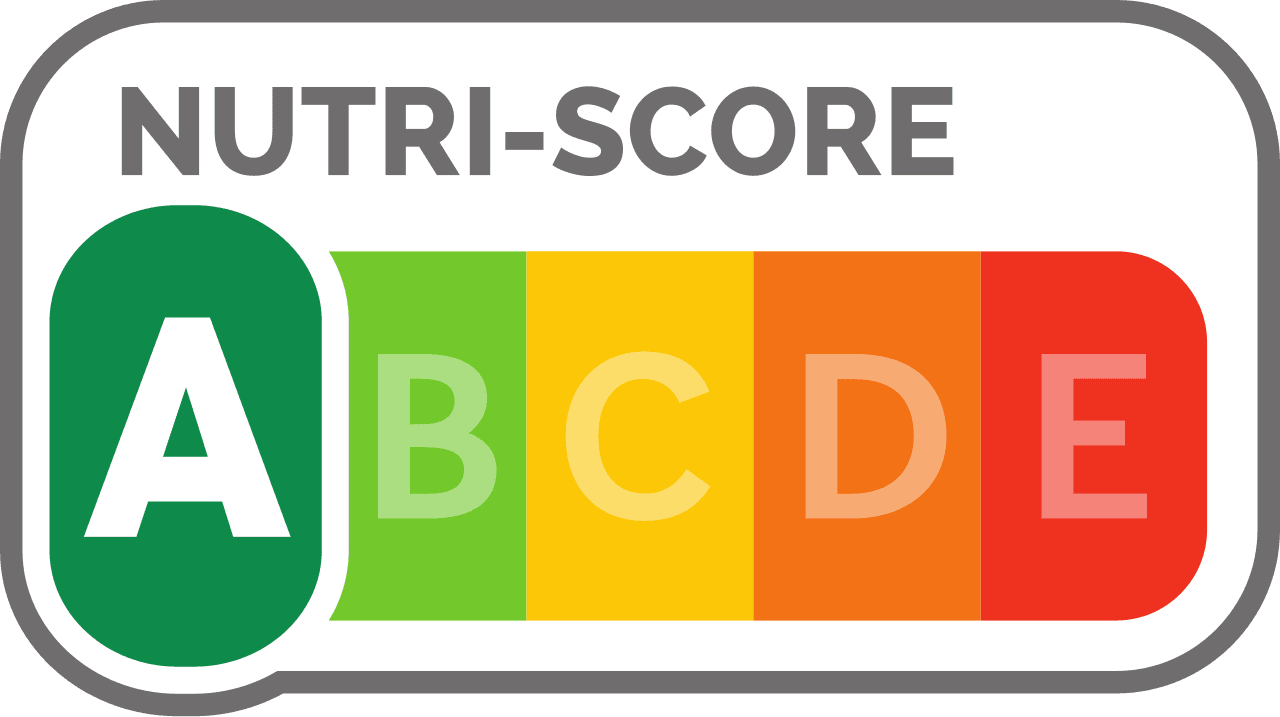
In shops, you’ll see Nutri-Score more and more. It is a colour scale from A (green) to E (red). It shows at a glance how healthy a food is. The score looks at the energy, sugars, saturated fat and salt in 100 g of the product. It gives better marks for fibre, protein, and fruit, vegetables or nuts.
Nutri-Score can be a handy rough guide. It works best when you compare similar products, like different muesli bars or snacks. But don’t trust it blindly. It doesn’t show how processed a food is. It doesn’t look at portion size. And it can’t tell if the ingredients are really simple and good.
👉 Nutri-Score can help you choose quickly, but it can’t replace reading the ingredients. Use it as an extra tool, not as your only rule. If a product has a good score but a long list of sweeteners, flavourings and additives, pick a simpler option. Do this even if the simpler one has no coloured letter on the pack.
What does a good snack look like?
A good snack usually:
has a short, easy-to-read ingredient list;
is made from foods you know and can picture;
doesn’t taste too sweet or too strong;
is balanced, with a mix of protein, fibre and fat that fills you up and gives you energy for longer.
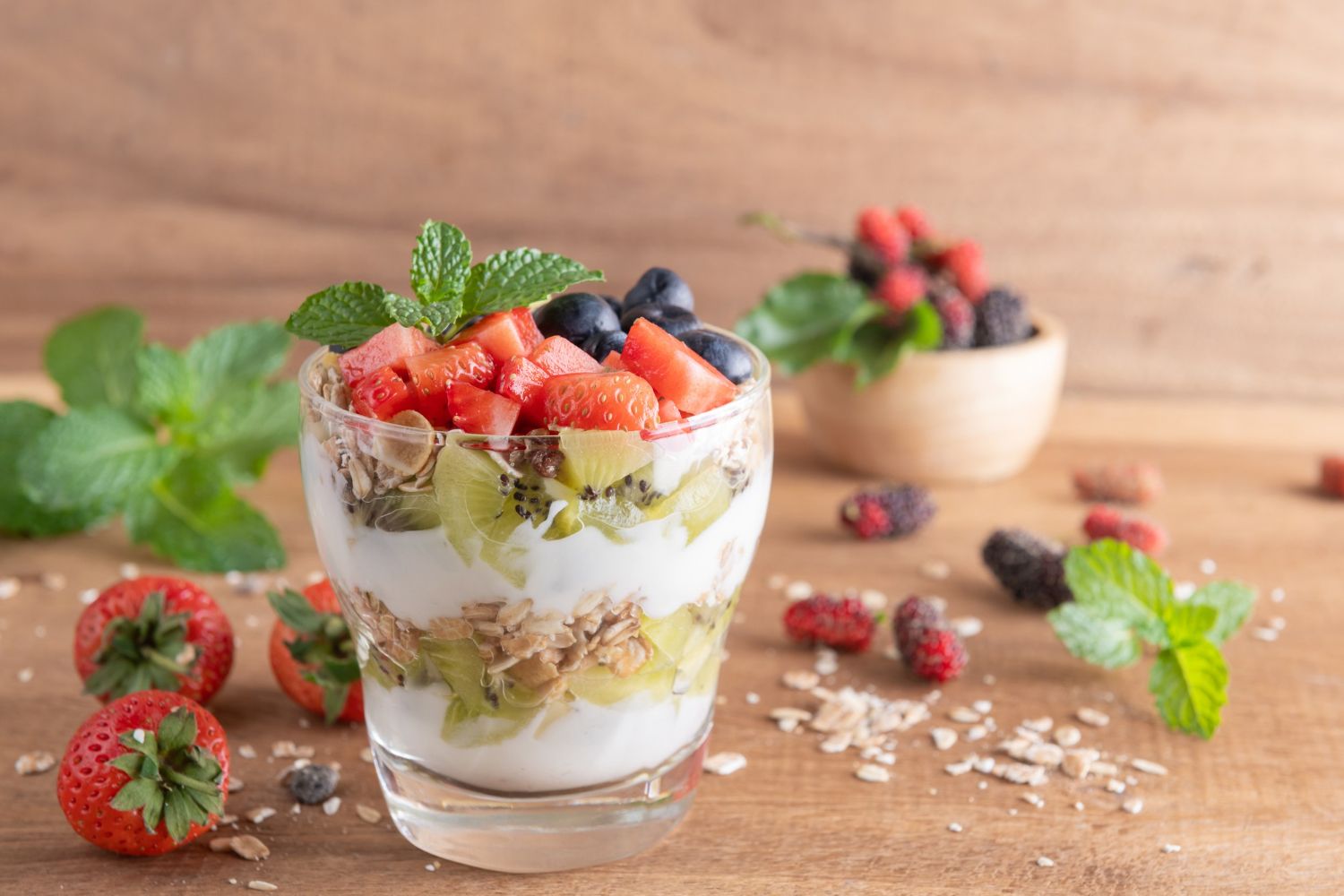
It doesn’t have to be fancy. For a sweet snack, pair fruit or another naturally sweet food with protein, like yoghurt, quark, skyr or nuts. For a savoury snack, start with hummus, pulses, eggs or tofu. Then add vegetables and a good fat. A snack like this isn’t just a quick fix for hunger. It is a useful part of your day. It won’t weigh you down, and it helps keep your energy steady.
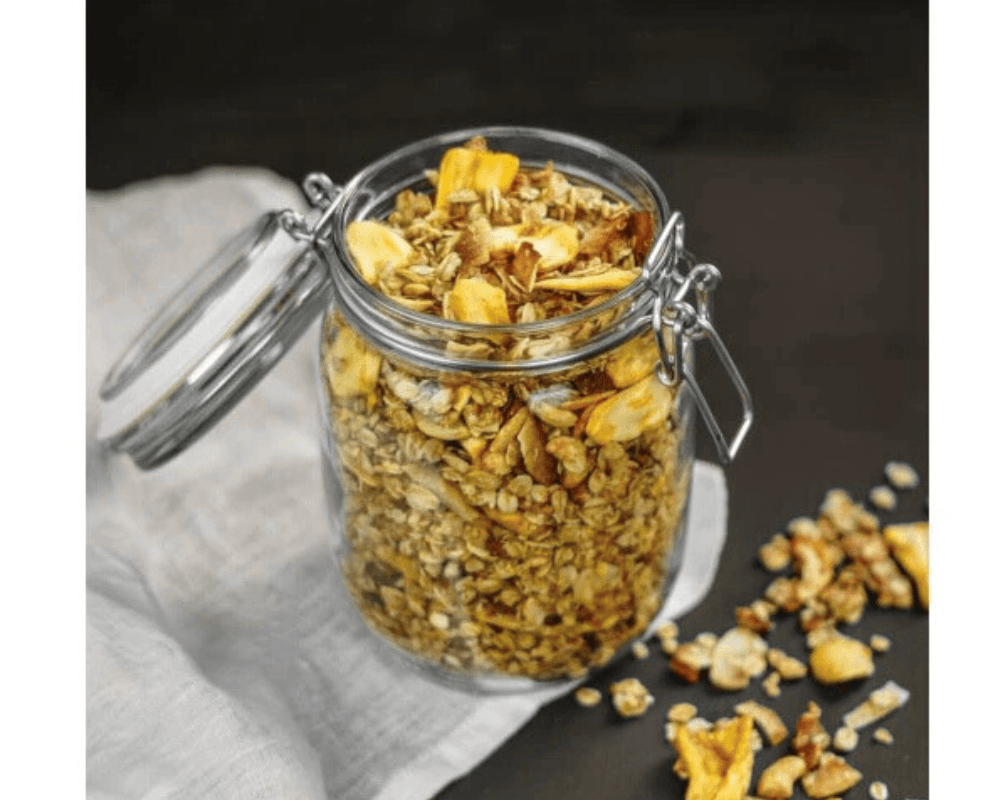
TIP: Try Jackies granola with crunchy pieces of jackfruit. It tastes great with yoghurt or kefir.
How can you choose without stress?
You don’t need to count anything. Just ask yourself three simple questions:
Do I understand what’s on the ingredient list?
Would I eat this without the pack and the marketing?
How do I usually feel after this snack?
It’s all about feeling good, staying balanced and keeping it up in the long run.
TIP: Looking for snack ideas? Read our article with 8 ideas for balanced snacks.
Less perfection, more calm
A good snack isn’t about bans or strict control. It’s about smart choices and keeping things simple. The less a product pretends to be something else, the more likely it is to really help your body. Simple snacks made from natural foods often make more sense than fancy products full of promises. And that is exactly their strength.
Author: Ing. Kateřina Jakešová, nutrition specialist and copywriter
FAQ: Choosing a healthy snack
What should I check first on a snack?
Check the ingredient list. A short list of foods you know is a good sign.
What are other names for sugar?
Glucose syrup, fructose, rice syrup, fruit concentrate and lots of dried fruit.
Are sweeteners a healthy choice?
Not always. Some people get bloating or wind, and sweeteners can keep sugar cravings going.
Is Nutri-Score enough to choose a snack?
No. It is a helpful guide, but you should still read the ingredients.
What makes a snack filling?
A mix of protein, fibre and healthy fat keeps you full for longer.