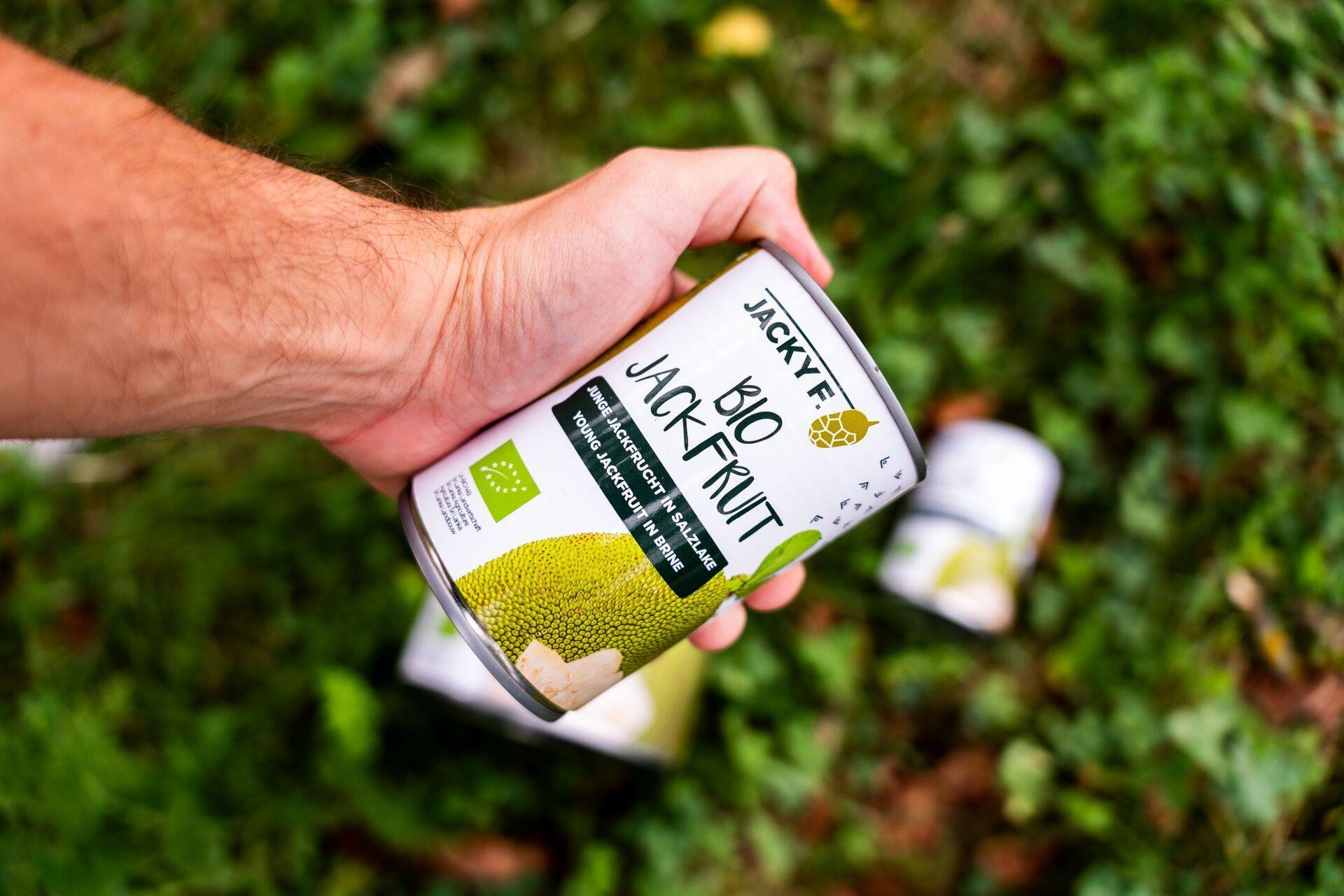
Is Canned Food Worse Than Fresh? Myths, Nutrients and Canned Jackfruit
Canned food is not always worse than fresh. Canning seals food and heats it, so many good canned foods need no preservatives. They keep most of their fibre, minerals and protein, though some vitamin C and B vitamins can be lost.
When people hear “canned food”, many picture something of lower quality. Food full of preservatives that is far from fresh. But that idea stopped being true for all canned foods a long time ago. In fact, a good can can be a great helper in the kitchen. For some foods, it’s even the gentlest way to keep their flavour and most of their nutrients. Let’s look at what really happens during canning and why we shouldn’t judge all canned food the same way.
Why does canned food have a bad reputation?
Ask a few people around you, and you’ll hear similar answers. They think canned foods are full of preservatives, have hardly any nutrients and are worse than fresh food. People repeat these ideas so often that many believe them without question.
But really, we are mixing up very different products. Good canned tomatoes or chickpeas with a short ingredient list are one thing. Ready meals with a long list of additives are another. The can itself says nothing about the quality of the food.
The most common myths are:
canned food has lots of chemical preservatives,
canning destroys all the vitamins,
fresh food is always better,
canned food is only good as an emergency supply.
That last myth is interesting. Today, professional chefs often use canned pulses, tomatoes or coconut milk. They don’t do it because they have no choice. They do it because it saves time and the quality stays good.
How does canning work?
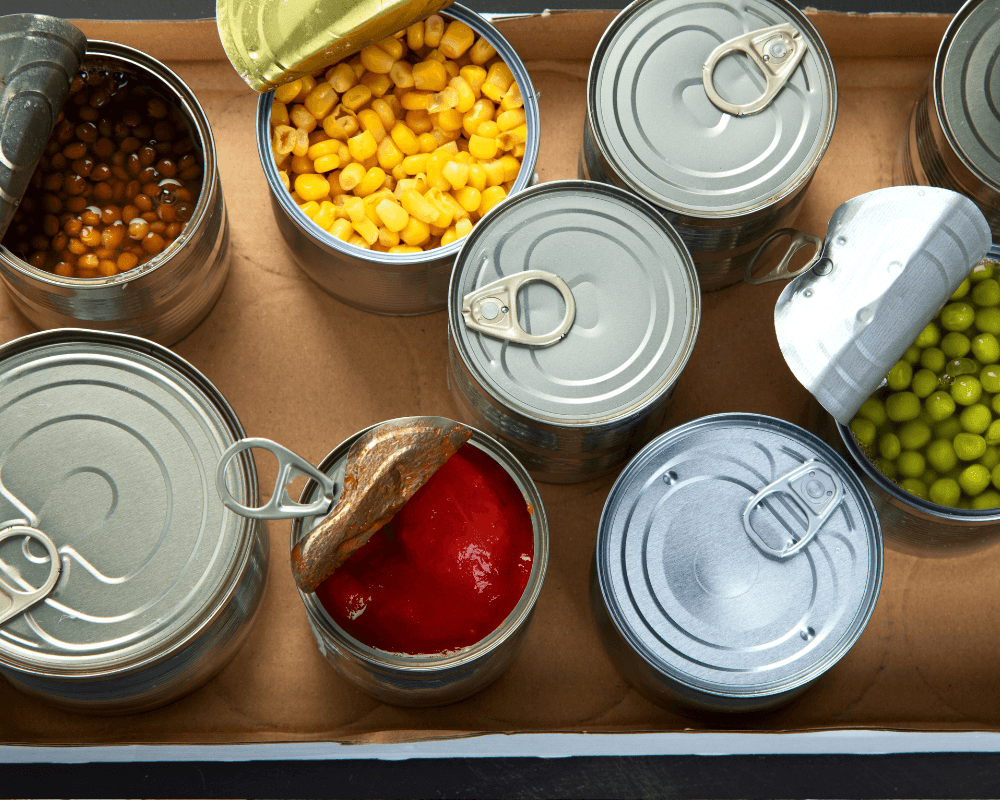
When people hear “preserving”, many imagine adding lots of substances to keep food fresh. But in most cases, it works quite differently. After the food is prepared, it is sealed in an airtight can and then heated to sterilise it. This kills the tiny germs that would make food go bad. Because the can has no air inside, the food stays safe for a long time.
That’s why many canned foods need no preservatives at all. Just look at the label of a good product. You’ll often find only a few simple ingredients.
For example:
tomatoes,
beans,
water,
a pinch of salt.
No hard names or long lists of additives. A long shelf life doesn’t have to come from chemical preservatives. It can come from a well-done process.
What changes during canning?
Every way of cooking food changes something. That’s true for baking, boiling, freezing and canning. The question isn’t whether something changes, but how much.
Some vitamins don’t like high heat. Vitamin C and some B vitamins may drop a bit during canning. But this isn’t special to canned food. You lose the same vitamins when you cook vegetables at home or make tomato sauce.
On the other hand, many important nutrients stay. In most cases, canned foods keep:
So it’s not a good idea to judge a food only by whether it is fresh or canned. What’s in it matters much more. So does how often you really eat it. Some people skip canned beans because they want to use dried ones. But dried beans take so long to cook that they never make them. In the end, they eat pulses a few times a year instead of a few times a month.
When is canned food the better choice?
It may surprise you, but sometimes the canned option isn’t just as good as fresh. It can be more practical, or even better for you.
Tomatoes are a classic example. They have lycopene, an antioxidant linked to many health benefits. Cooking makes it easier for the body to take in. So good canned tomatoes or tomato passata can easily compete with fresh ones.
Pulses work the same way. Canned chickpeas or beans don’t need to soak overnight or cook for hours. Just rinse them, and in a few minutes you can make a salad, curry, spread or soup. If this helps you eat pulses more often, you’ll do much more for your health than by waiting for the perfect moment to cook them from scratch.
Other handy choices are:
sweetcorn, which is often canned soon after harvest,
tuna in its own juice, as a quick source of protein,
coconut milk, so you always have it ready for Asian dishes.
Canned food often saves more than time. It also helps cut food waste. You don’t have to worry about using up your vegetables in a few days, and you always have a base for quick meals in the pantry.
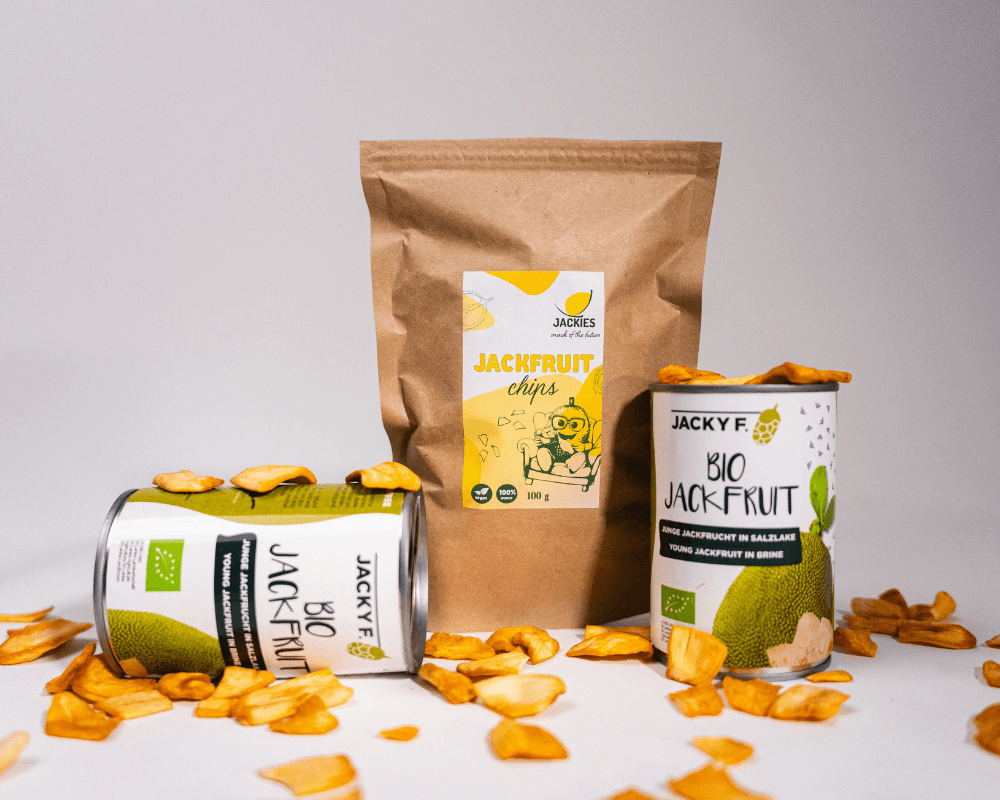
Why is jackfruit sold in cans?
When people see jackfruit for the first time, they often ask: why isn’t it fresh? The answer is simple:
A fresh jackfruit can weigh several tens of kilograms.
It ripens quickly.
It would be very hard to keep its texture right during long transport.
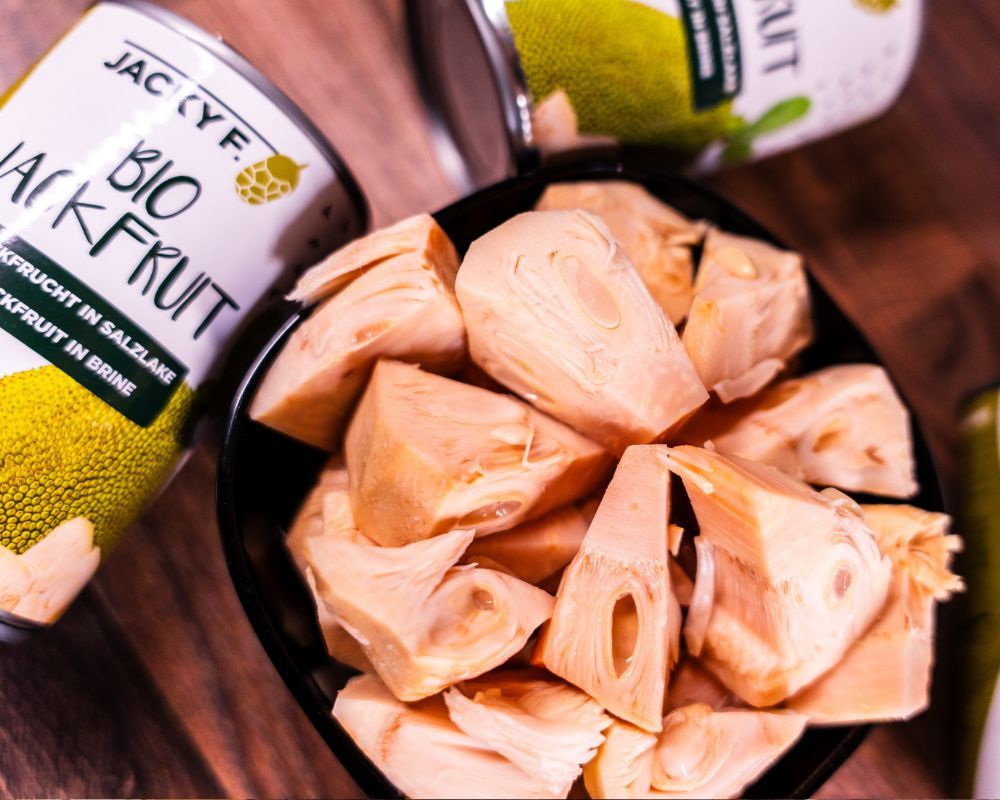
Savoury dishes use young, unripe jackfruit. It has a firm texture and soaks up the flavours of spices and marinades really well.
So after harvest, it is prepared quickly and canned. This way, it keeps its typical texture, and you don’t have to do any tricky prep at home.
Just open the can, rinse the jackfruit and add it to:
tacos,
burgers,
sandwiches,
curries,
tortillas or wraps.
For jackfruit, canning isn’t a compromise. In fact, it’s the most practical way to bring an exotic food in good quality all the way to European kitchens.
What should you look for when buying canned food?
As with other foods, some products are better than others. The good news is that it’s easy to choose.
Look for:
a short ingredient list,
not too much salt,
no needless added sugar,
the right liquid for the type of food,
as much of the main ingredient as possible.
If the can has only tomatoes, beans or jackfruit and a few other common ingredients, there’s probably no reason to avoid it. Long lists of flavourings, thickeners or added sugars usually mean there is a better option.
Does it matter if food comes in a can?
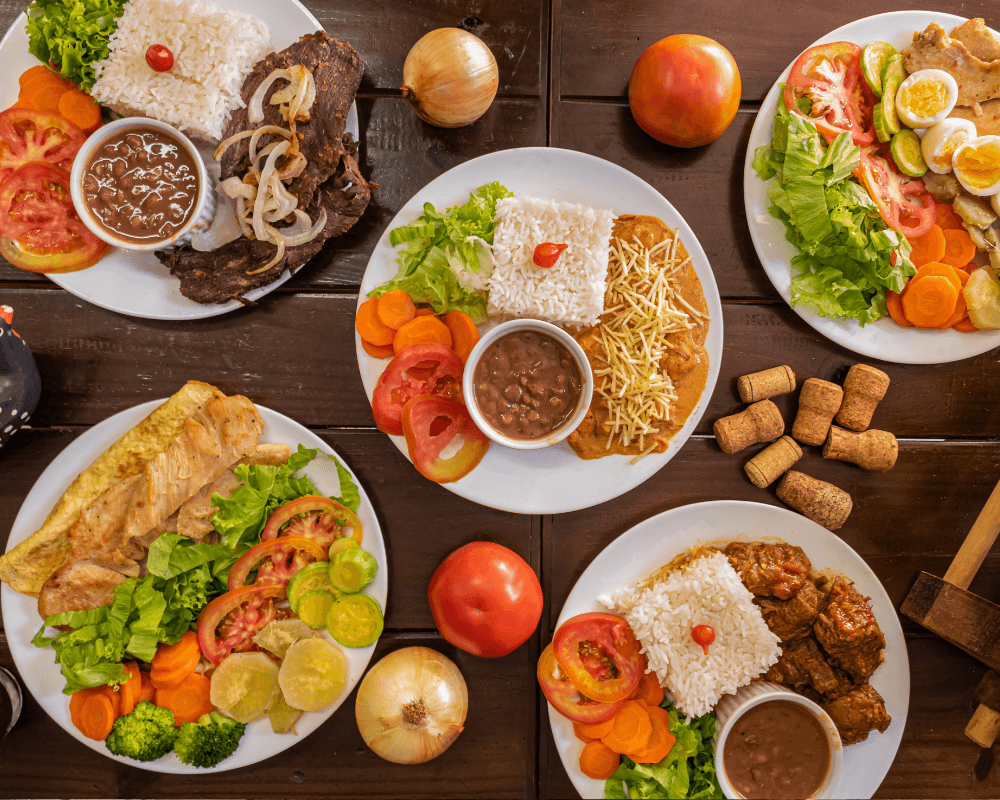
In nutrition, we often look for simple answers. Fresh is good, canned is bad. But rules like that are often misleading. If you can buy fresh seasonal vegetables from a local grower, that’s a great choice. But it doesn’t mean good canned tomatoes, chickpeas or beans are worse. In many homes, cans are the reason pulses and vegetables show up on the plate on busy days.
In the end, a varied diet matters most. Making a quick meal at home from good ingredients makes a much bigger difference than waiting for perfect conditions that never come.
Is canned food the enemy?
No. Over the years, canned food got a reputation as something to avoid. But really, it’s often a smart way to keep good ingredients without needless additives, ready whenever you need them.
Next time you stand in front of the canned food shelf, look at the ingredients, not the packaging. That tells you much more about quality than the can. Good tomatoes, pulses, coconut milk or young jackfruit can be a regular part of a varied diet. They make cooking easier on days when you want something good without standing at the stove for ages.
Author: Ing. Kateřina Jakešová, nutrition specialist and copywriter
FAQ: Canned food
Is canned food less healthy than fresh?
Not always. Good canned food keeps most of its fibre, minerals and protein.
Do canned foods have preservatives?
Many don’t. Sealing and heating the can keeps the food safe without them.
Why is jackfruit sold in cans?
Fresh jackfruit is huge and ripens fast. Canning young jackfruit keeps its firm texture.
What should I check on a can?
A short ingredient list, not too much salt and no needless added sugar.