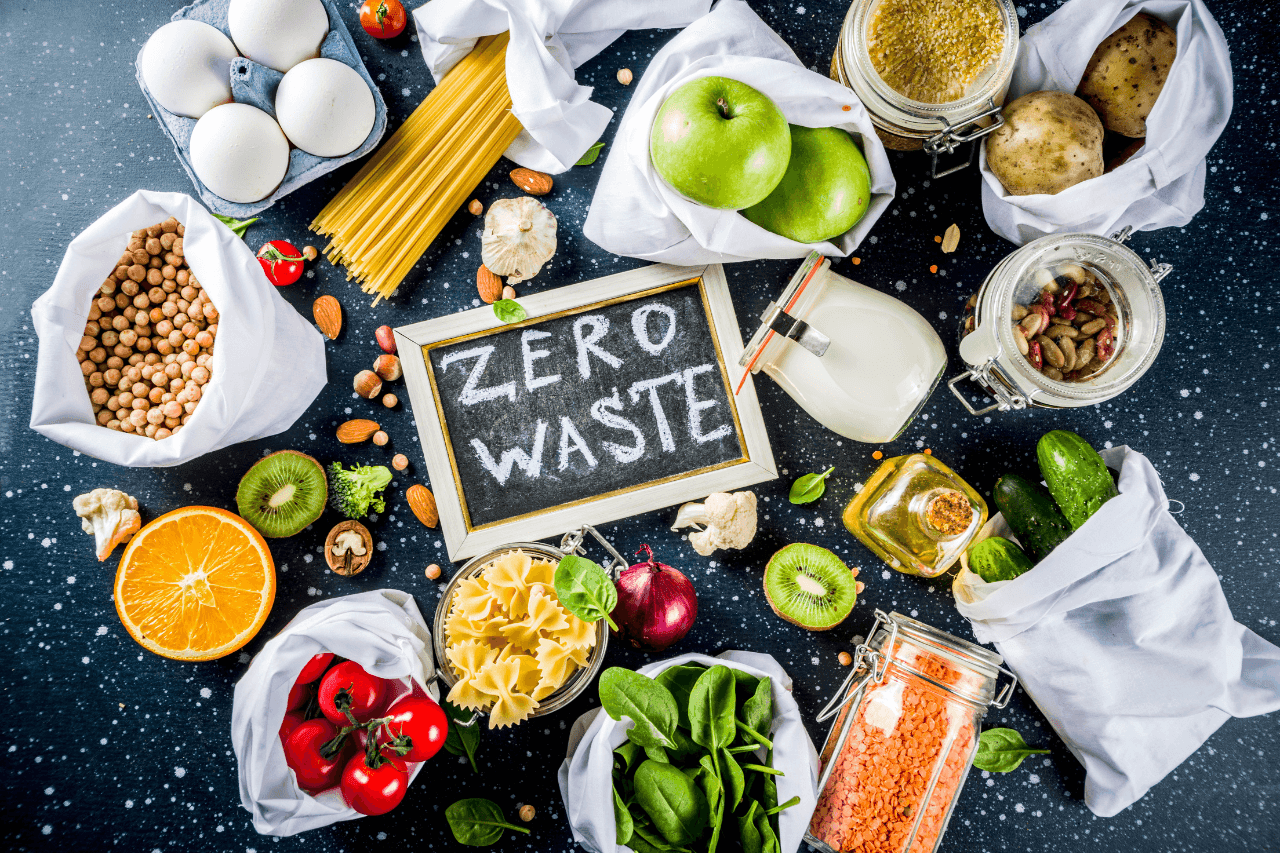
Zero Waste Kitchen Tips: How to Use Every Part of Fruit and Vegetables
To cut food waste at home, reuse scraps: dry citrus peel, cook broccoli stalks, freeze herbs in oil and turn peelings into stock. Jackfruit shows how it’s done, since in the tropics almost every part of it gets used.
Zero waste in the kitchen isn’t rocket science once you know how. Citrus peel, broccoli stalks, leftover herbs or bits of vegetables from the fridge… Everything can have a second life. Jackfruit is a great example of a food that can be almost waste-free. In the tropics, every part of it is used: the flesh, the seeds and the skin, which goes back into the soil as rich compost.
Let’s learn from this and see how we can cook at home with more respect for the planet, and for our wallets.
Why does zero waste make sense?
Do you think zero waste is only for people with lots of free time? Really, it’s about small, everyday things that can make a big difference.
Cooking without waste has three simple benefits:
You throw away less. That means less money in the bin and more flavour on your plate.
You respect food more, because you use everything nature gives you.
You make less waste, so your footprint on the planet is smaller.
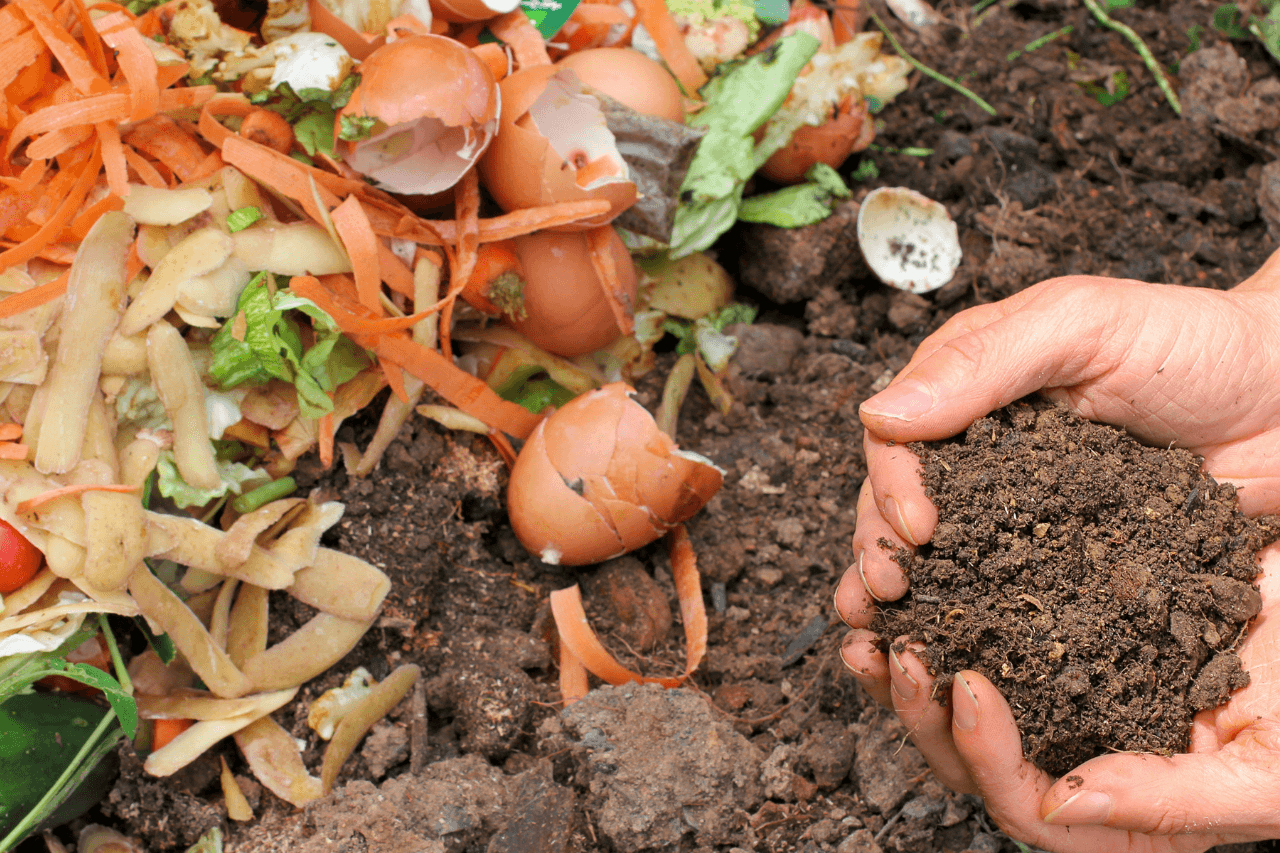
This is just how jackfruit is handled in the countries it comes from. Almost nothing is thrown away. The skins and leftover parts become rich compost that puts nutrients back into the soil. That’s circular farming in real life: food that starts and ends in nature, with no needless waste.
The good news? You can do it at home too, on a small scale. Just start with the everyday fruit and vegetables you eat.
What do we throw away that we could use?
Most kitchens have one thing in common: lots of little scraps that end up in the bin for no good reason. But these unwanted bits often hold the most flavour, fibre and potential to make your cooking more exciting. Here are a few examples.
How can I use citrus peel?
Lemon and orange peel doesn’t have to be waste. It’s great for:
homemade citrus sugar or salt,
flavouring tea or syrups,
adding to Asian-style marinades.
Just dry or freeze the peel, and you’ll have a kitchen helper for months.
Can I eat broccoli stalks?
Yes. The stalk is often the tastiest part of the whole broccoli. It has a soft, sweet taste and keeps its shape well.
Ways to use it:
slice it into thin strips for a stir-fry,
blend it into a creamy soup,
grate it into fritters or veggie patties.
Just peel off the tough outer layer, and you have a perfect base for quick recipes.
TIP: Want a recipe for a tasty creamy soup? Check out our article.
What can I do with leftover herbs?
Have herbs that are past their best but still smell lovely? You can:
chop them into pesto or herb oil,
add them to a homemade spice mix,
freeze them in olive oil cubes,
use them in stock or to flavour rice.
Even the last sprig of parsley can lift a dish.
Can peelings be used for stock?
Yes. Clean peelings (from organic vegetables, of course) turn plain stock into a tasty liquid full of minerals. This works for:
vegetable stock,
Asian soups like ramen,
thick, reduced sauces.
Just dry or freeze the peelings and add them when you need more flavour.
How is jackfruit almost zero waste?
At home, we mostly work with citrus fruit and vegetables. But jackfruit in the tropics shows how well circular agriculture can work:
the flesh goes to the kitchen,
the seeds can be boiled, roasted or ground,
the skins and scraps are composted, so nutrients go back to the trees.
What are some simple zero waste tricks?
Zero waste doesn’t have to be a life mission. A few small habits are enough to save you time, money and space in the bin. Here are tried-and-tested tips anyone can use.
Use your freezer
Leftovers don’t have to be messy. Just put them in the freezer:
vegetable scraps → a base for stock,
herbs → chopped and frozen in oil,
overripe fruit → smoothies, ice lollies or baking,
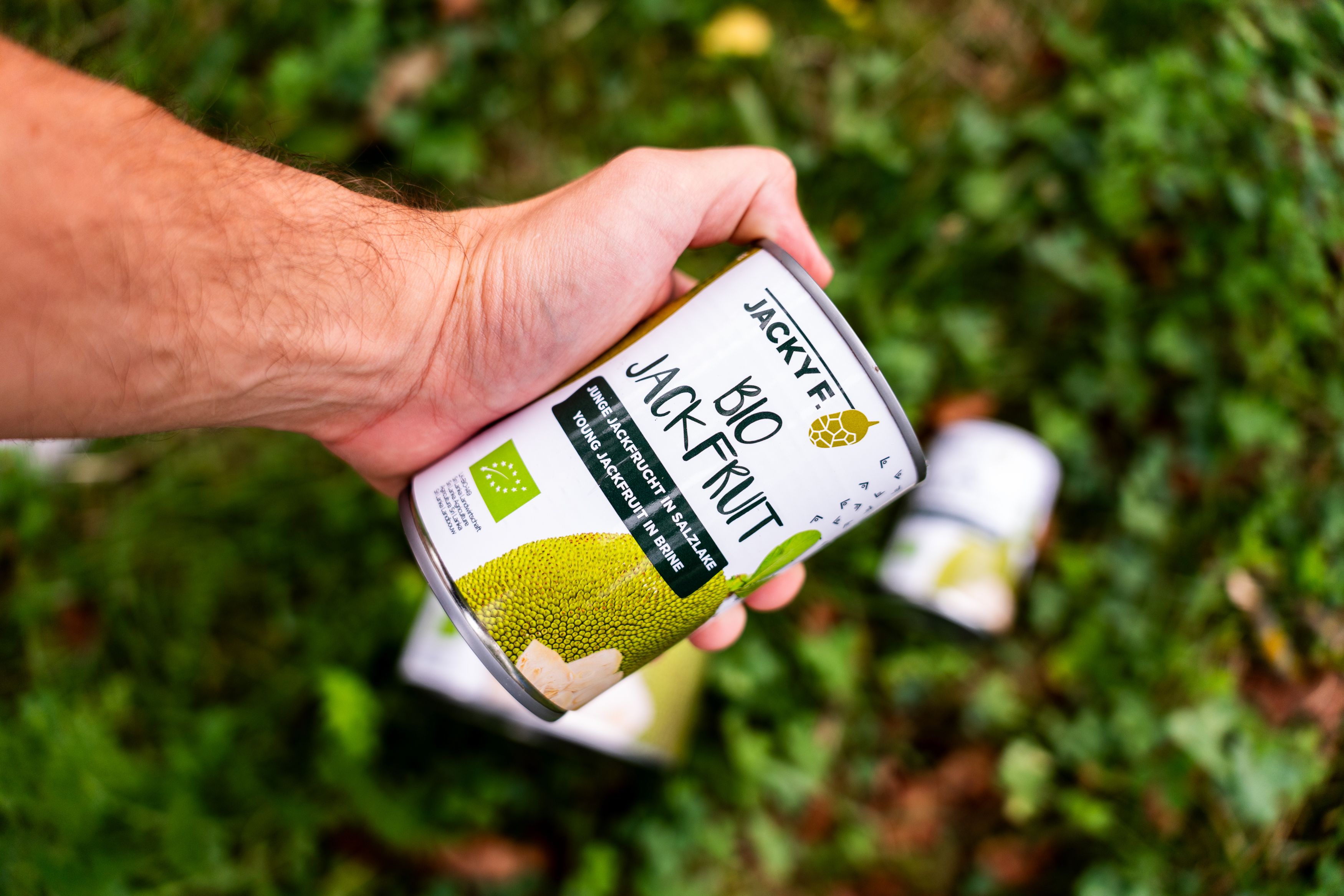
leftover canned jackfruit → perfect for your next stir-fry.
The freezer is a little time machine that turns scraps into future meals.
Make an “eat me first” shelf in the fridge
Pick one spot where you put:
the last bit of carrot,
a tired pepper,
onion ends,
a piece of jackfruit left over from a recipe.
Once a week, turn what’s on this shelf into a stir-fry, a soup or a sauce.
The result? A tasty, mixed meal with very little waste.
Keep your cooking water
Water you cooked:
potatoes,
pasta,
vegetables
in is full of minerals and fibre. It’s great for thickening sauces, baking bread or making creamy soups.
Can peel be a spice?
Yes. Dried citrus or apple peel adds a nice smell to:
homemade biscuits,
tea,
marinades,
spice mixes.
Just dry it on a radiator or in the oven.
Plan with what you have
Don’t cook from what you wish you had. Cook from what you already have at home. That’s the simplest zero waste rule:
Open the fridge.
Take out whatever would go off soon.
Make a meal from it.
It’s a fun creative challenge, and that’s how the best recipes are born.
Can small steps make a big difference?
Yes. Zero waste isn’t about a perfect kitchen or never throwing anything away. It’s about giving a second chance to peelings, leftovers and scraps that we used to bin without thinking. Jackfruit is a beautiful symbol of this idea. It grows without needless help, supports the soil it grows in, and almost all of it is used after harvest. It’s a lesson from tropical nature that we can bring into our own homes.
Whether you use citrus peel, broccoli stalks or jackfruit recipes, every step leads to a kitchen that is more playful, more mindful and more sustainable.
Author: Ing. Kateřina Jakešová, nutrition specialist and copywriter
Quick facts: zero waste kitchen
What is the easiest way to start?
Make an “eat me first” shelf in your fridge and cook from it once a week.
What can I do with vegetable peelings?
Dry or freeze clean peelings and use them to make stock.
Which parts of jackfruit are used?
The flesh is eaten, the seeds are boiled, roasted or ground, and the skins are composted.
Is cooking water useful?
Yes. It has minerals and fibre and helps thicken sauces and soups.