What Is Umami? How to Add Rich Flavour to Meat-Free Dishes
Umami is the fifth basic taste, a rich, savoury flavour that comes mostly from glutamate. To add it to meat-free dishes, use mushrooms, tomato purée, soy sauce, miso, sun-dried tomatoes, nutritional yeast or fermented foods, and brown your food well in the pan.
You know the feeling. You cook a meat-free dish, taste it and… something is still missing. You add salt. A bit of pepper. Maybe some garlic. It’s better, but still not quite right. The problem may not be how much seasoning you used. Meat, aged cheese or a strong stock bring a flavour that we sometimes have to search for in vegetable dishes. It’s called umami. The good news is that it isn’t just found in meat. You just need to know where to find it and how to use it.
What is umami?
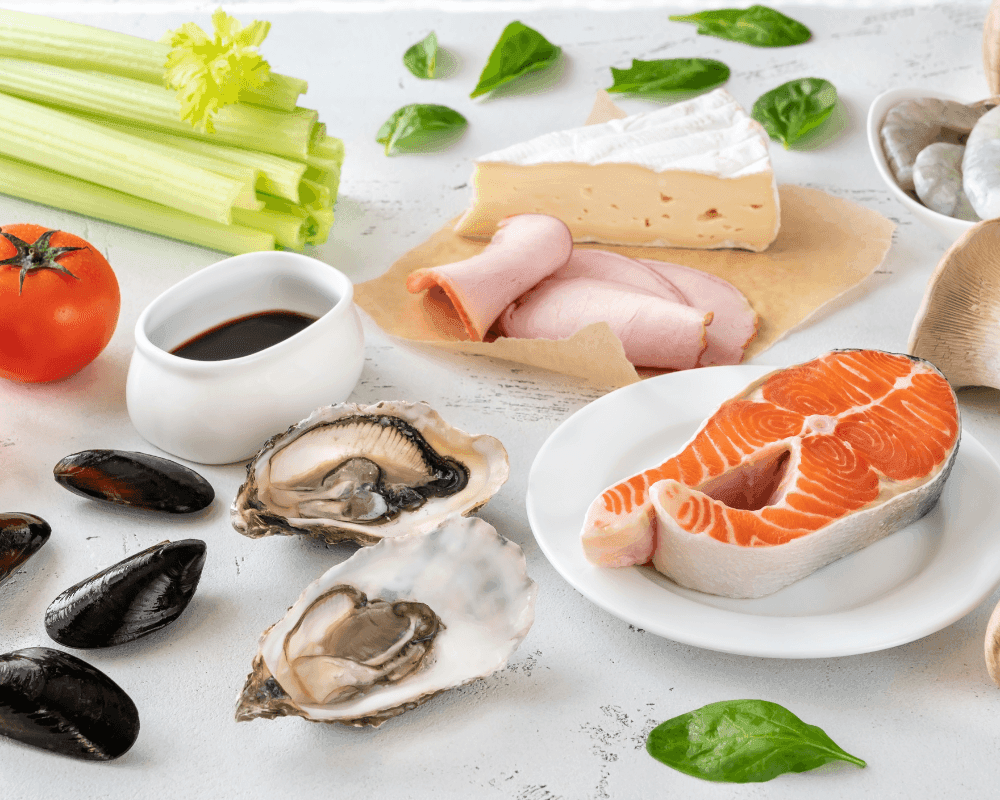
You surely know sweet, salty, sour and bitter. Umami is the fifth basic taste. People usually describe it as full, rich, savoury or meaty. It mostly comes from glutamate, an amino acid found in many foods, or more exactly from its salts. Some other natural compounds can make umami even stronger. That’s one reason why some foods taste much richer together than each one does on its own.
And glutamate isn’t only in meat. It is found naturally in:
tomatoes,
mushrooms,
Parmesan,
soy sauce,
miso.
So umami isn’t a special seasoning you need to buy. You probably already have several sources of it at home.
Why can meat-free food taste bland?
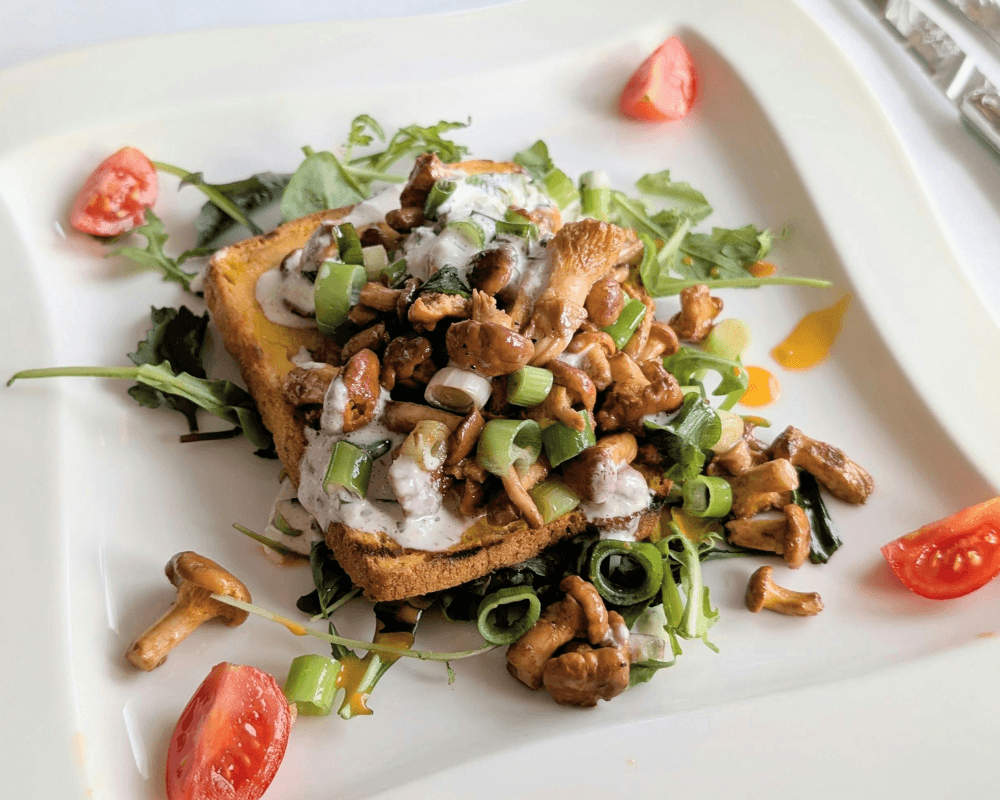
Picture a classic ragù. You brown the meat, add onion, vegetables and tomatoes, and let it all simmer slowly. The flavour builds up from several layers. Now leave out the meat and keep the rest of the recipe the same. You may end up with a good vegetable sauce. But some of the depth of flavour is gone.
Most people add more salt. But salt and umami aren’t the same thing. It’s much better to give the dish another layer of flavour. And that’s where plant-based cooking gets interesting.
Which ingredients add umami without meat?
You don’t need a specialist shop. Some of the best sources of umami are probably in your pantry or fridge already.
1. Mushrooms
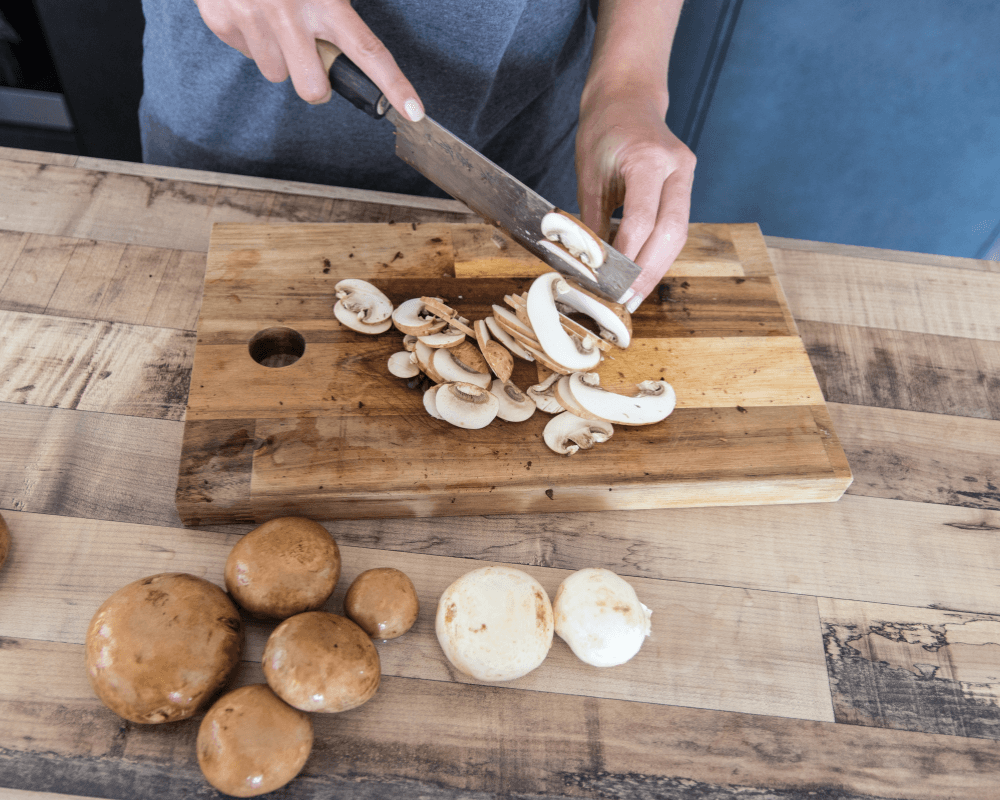
Button mushrooms, oyster mushrooms, shiitake and wild mushrooms all add depth to sauces, soups and stews. Dried mushrooms are extra useful, because their taste is stronger. Soak a few dried mushrooms, chop them and add them to a goulash or ragù. And don’t throw away the soaking water. Strain it and use it as part of the base for your sauce.
2. Tomato purée
One spoonful can make a big difference. But don’t just stir it into the liquid. Give it a moment in the pan first. Add it to the fried onion and fry it briefly until it gets darker and smells stronger. Then add the stock, tomatoes or other liquid. This simple step works really well in chilli, bolognese, goulash and jackfruit dishes.
3. Soy sauce
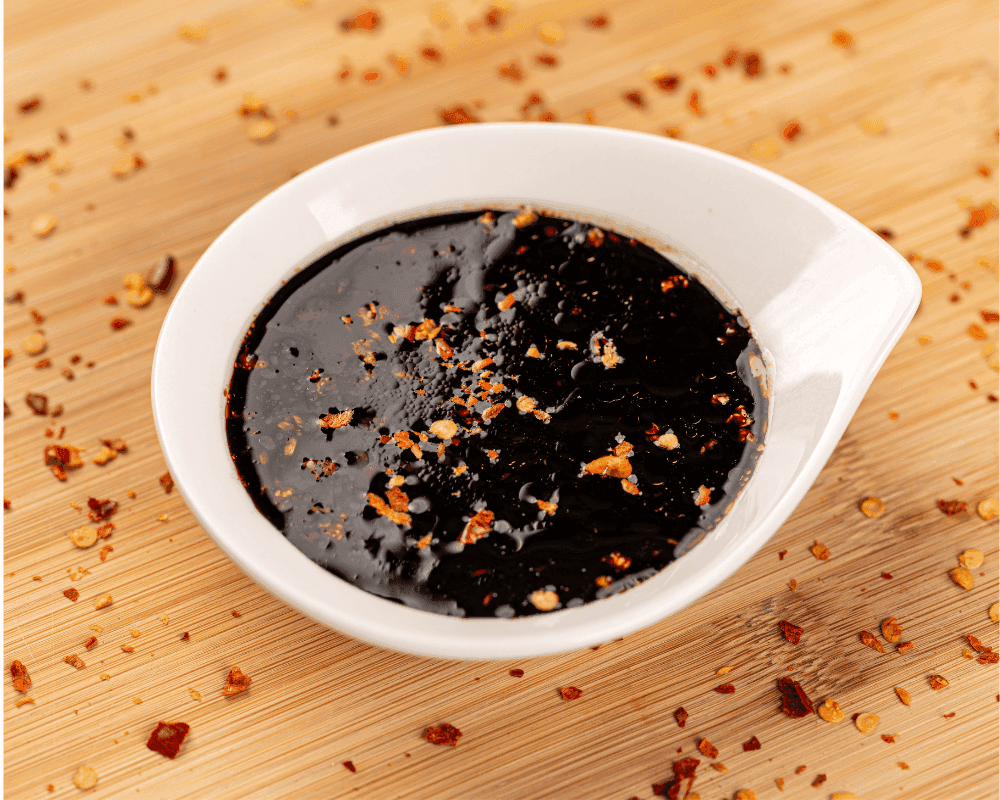
You don’t have to turn every dish into an Asian stir-fry. A little soy sauce can be used like a seasoning. A teaspoon won’t stand out in a mushroom sauce, marinade, vegetable ragù or burger mix. Just remember that soy sauce is salty too, so wait before you add more salt.
4. Miso paste
Miso is made by fermenting soya beans, usually with koji. It has a strong, salty and rich taste. It isn’t just for miso soup. A small teaspoon can boost a sauce, marinade, dressing or vegetable stock. Start with a little. You can always add another half teaspoon, but it’s much harder to fix a goulash with too much salty miso.
5. Sun-dried tomatoes
A fresh tomato can be mild and juicy. But take away most of its water, and the flavour gets much stronger. That’s why a few chopped sun-dried tomatoes can change pasta, a spread, a pulse dish or a wrap filling more than another handful of spices.
6. Nutritional yeast
Nutritional yeast has a special taste, a bit cheesy and nutty. It’s really useful where you would usually add grated cheese. Sprinkle it on pasta, add it to a sauce or stir it into a plant-based pesto. Its taste is quite strong, so you don’t need half a packet per portion.
7. Fermented foods
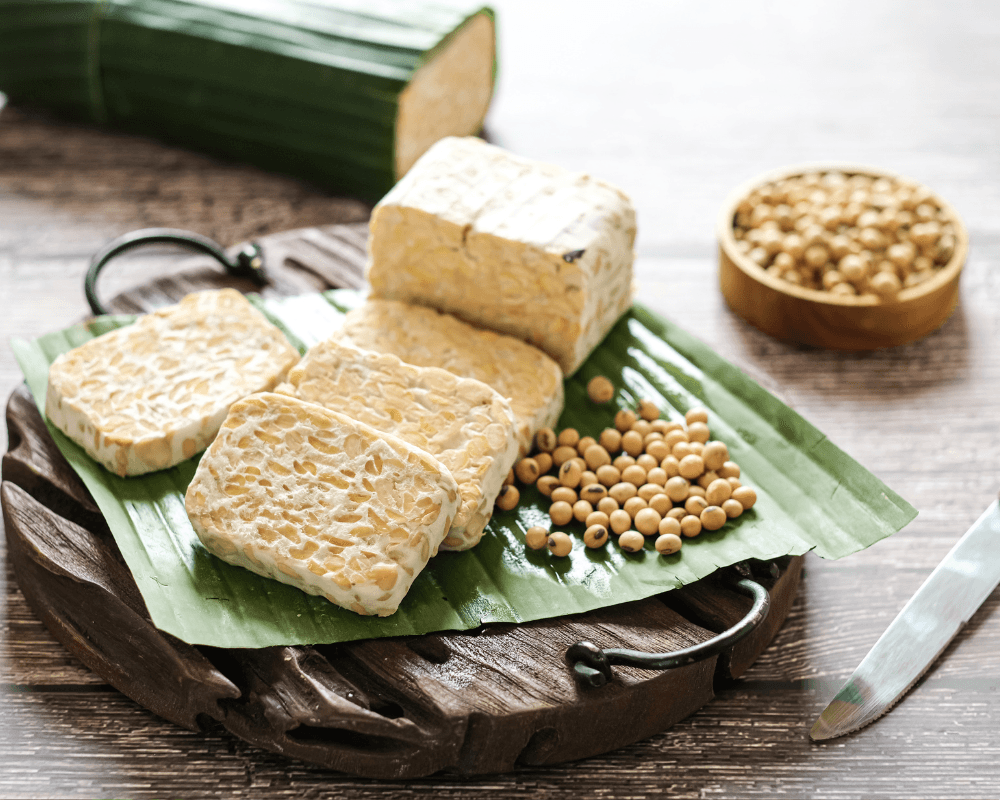
Fermenting can do interesting things to the taste of food. Besides soy sauce and miso, try tempeh, kimchi or good sauerkraut. They don’t have to be the main part of the dish. Sometimes a small amount is enough to contrast with milder foods.
Why does the pan matter for flavour?
Umami foods are one piece of the puzzle. The other piece happens before you pour in the sauce. If you throw onion, mushrooms, vegetables and jackfruit into a pot, cover them with liquid right away and start stewing, you’ll lose a lot of flavour.
Frying at a higher heat creates new flavours and lets the outside of the food turn golden. That’s why a fried mushroom tastes different from a boiled one, and roasted vegetables taste different from vegetables cooked in stock.
With jackfruit, the difference is really clear. Young jackfruit has a fairly neutral taste. That is both its strength and its weakness. If you just take it out of the can and throw it into a sauce, don’t expect miracles.
A better way is to:
drain the jackfruit and rinse it well,
let it drip and get rid of extra water,
shred it into smaller strands,
season it and fry it until golden,
only then add the sauce and let the flavours blend.
You’ll find more tips in our article How to Prepare and Store Jackfruit: 5 Simple Tricks. Young jackfruit is a great carrier for marinades and bold flavours.
How do you add umami to jackfruit?
Jackfruit doesn’t have a strong taste that takes over the plate. You create most of its flavour yourself. That’s why it can go into a curry one day and taste like a pulled BBQ mix the next. And this is where umami really helps.
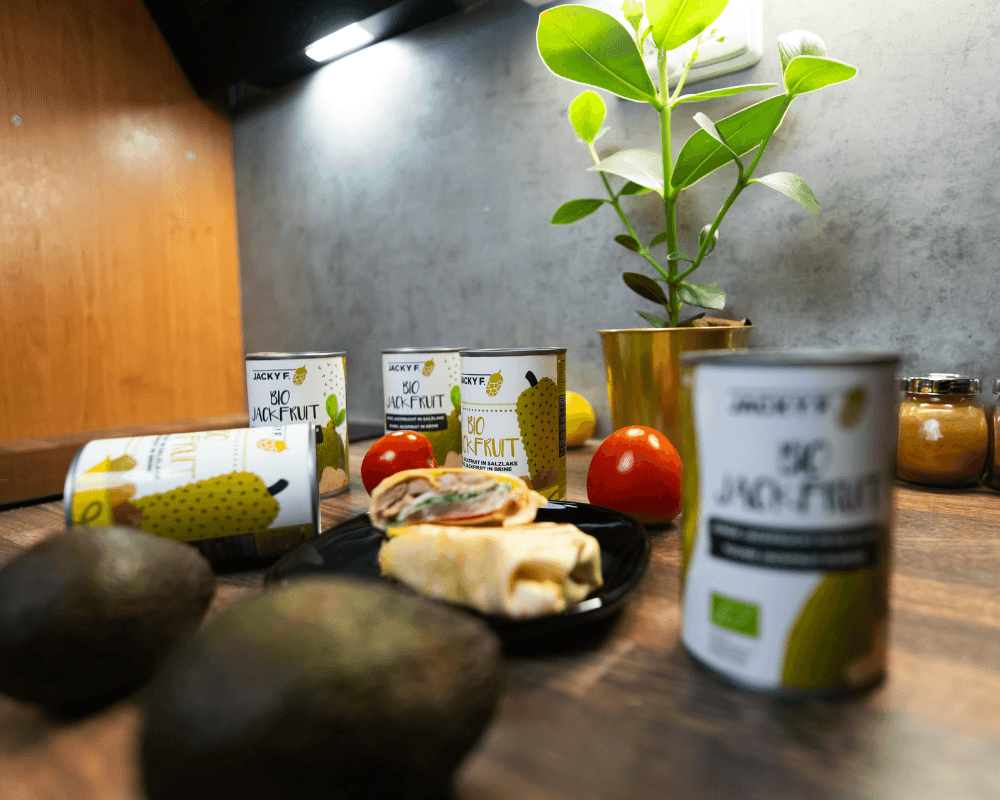
Pulled-style jackfruit
Fry onion in a pan, add the shredded jackfruit and let it turn lightly golden. Then add tomato purée, soy sauce, smoked paprika, garlic and BBQ sauce. This mix is great in a burger, a tortilla or with baked potatoes.
Jackfruit goulash
Onion, mushrooms and tomato purée make the flavour base. Add marjoram, garlic, paprika and jackfruit, pour in stock and let it simmer slowly. The mix of mushrooms, a well-browned base and tomatoes gives the dish a depth that jackfruit couldn’t create alone.
Asian-style jackfruit
Here, it’s even easier to get a bold flavour. Try soy sauce, miso, ginger, garlic and sesame oil. Add chilli and a little lime juice to taste. You’ll get a mix you can serve with rice, in noodles or in a vegetable stir-fry.
Why should you layer flavours?
If you remember one kitchen trick from this article, make it this one. Don’t rely on just one ingredient. You don’t need to pour half a jar of sun-dried tomatoes into a tomato sauce. It will often taste better if you fry the onion, add a little purée and some mushrooms, and finish with a little soy sauce.
You can do the same with jackfruit:
fried jackfruit + mushrooms + tomato purée + a dash of soy sauce
jackfruit + miso + garlic + ginger + sesame
Each ingredient adds something a bit different, so the final dish tastes richer. But more isn’t always better. If you add soy sauce, miso, sun-dried tomatoes and olives to one pot and then salt it a lot, umami won’t be your biggest problem anymore.
Is acidity the missing piece?
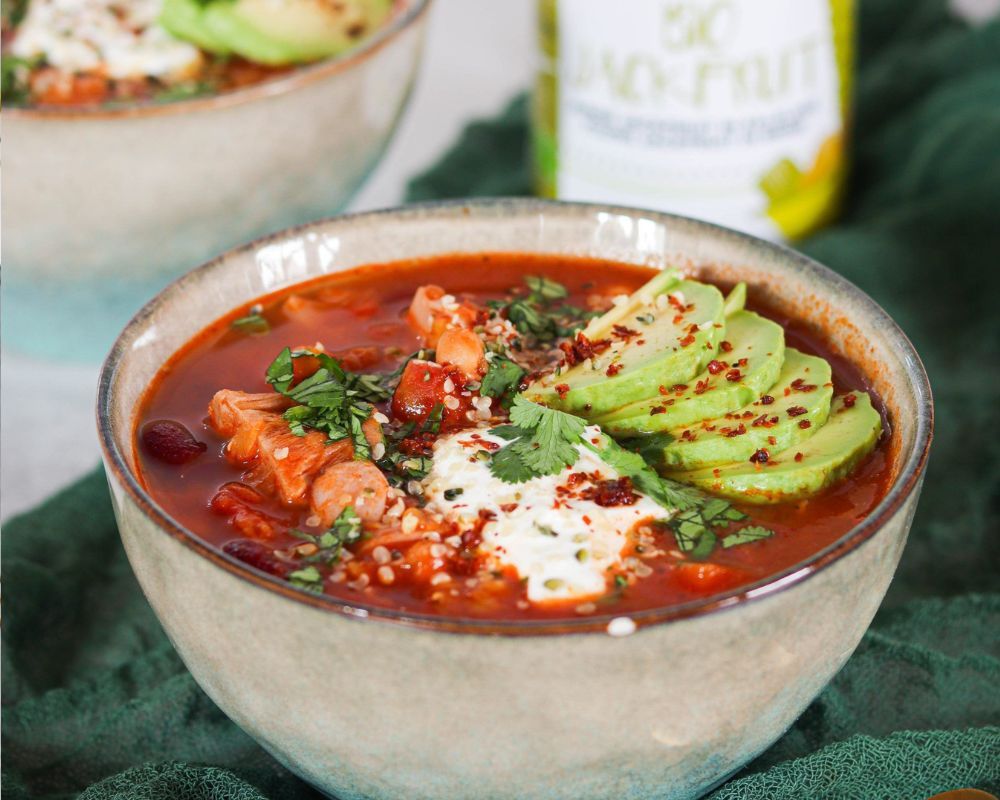
Sometimes it is. This trick isn’t really about umami, but it has saved many dishes. Is your dish salty enough and full of flavour, but still a bit heavy or flat? Try a few drops of lemon or lime juice or a good vinegar.
Acidity creates contrast and brings out the other flavours. Add lime to an Asian-style mix, a drop of balsamic or wine vinegar to a tomato ragù, or something pickled with a rich goulash. So not every bland dish needs more salt. Sometimes it needs umami, browning or a little acidity.
What should you check when something is missing?
Before you reach for the salt, ask yourself a few questions:
Did you fry the base until golden?
Does the dish have a source of umami?
Would a spoonful of tomato purée, miso or soy sauce help?
Is it missing acidity?
Does it have different textures, like something juicy, browned or crunchy?
Did the spices have time to release their smell in the oil?
These small changes often decide if a meat-free dish feels like a compromise or something you’ll want to cook again and again.
Does meat-free mean flavour-free?
Definitely not. Good plant-based food doesn’t need to copy meat at all costs. But it does need well-built flavour. Mushrooms, tomatoes, miso and soy sauce give you umami. Browning adds more flavour, acidity wakes up the dish, and the right spices give it character.
This is doubly true for young jackfruit. Its neutral taste lets you decide what it becomes today: a smoky BBQ burger, a spicy curry or a mushroom goulash. And that’s exactly its magic.
Author: Ing. Kateřina Jakešová, nutrition specialist and copywriter
FAQ: Umami
What is umami?
Umami is the fifth basic taste. It is rich, savoury and a bit meaty, and it mostly comes from glutamate.
Which foods are high in umami?
Tomatoes, mushrooms, Parmesan, soy sauce, miso, sun-dried tomatoes and fermented foods.
How do I make jackfruit taste better?
Rinse and dry it, fry it until golden, then add umami foods like tomato purée, soy sauce or mushrooms.
Why does my meat-free dish taste flat?
It may need umami, better browning or a little acidity, not more salt.