Tofu vs. Tempeh: What’s the Difference and Which Is Healthier?
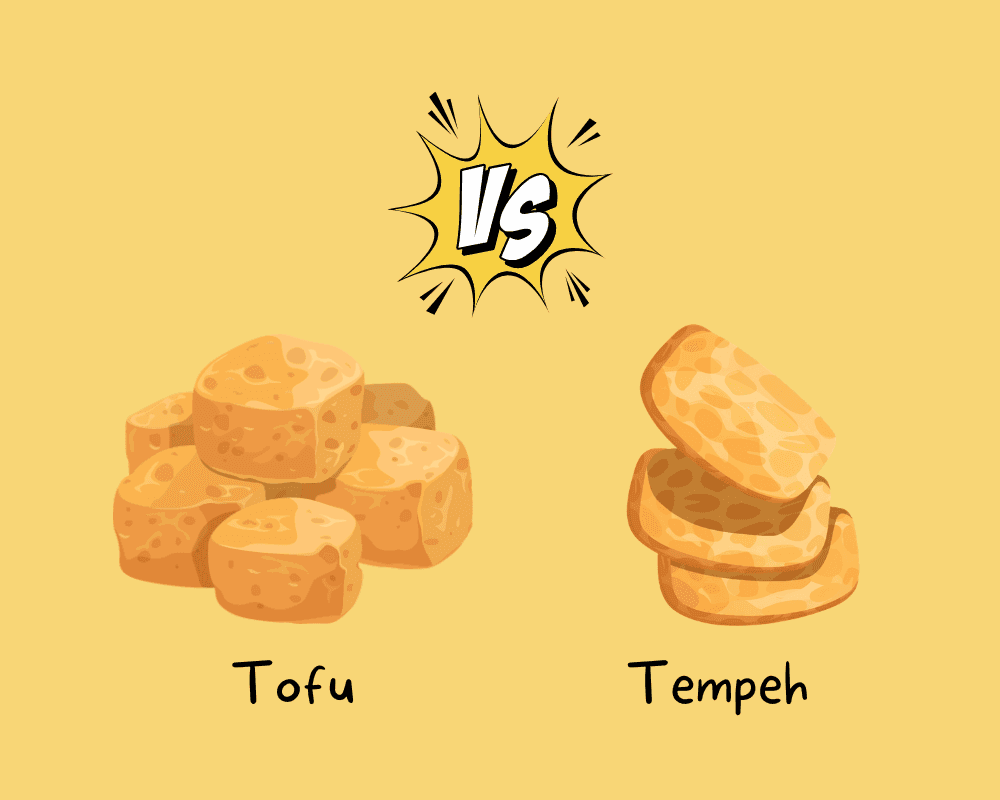
Tofu and tempeh are both made from soya, but tofu is mild and soft, while tempeh is firm, nutty and fermented. Tempeh usually has more protein (about 18–20 g per 100 g) and fibre, while tofu (about 8–15 g) is more versatile and lower in calories.
Tofu and tempeh often sit side by side in the shop. Both are made from soya, and both are popular meat alternatives. But that’s where the likeness almost ends. They differ in taste, texture, how they’re made and nutrition. Tofu is mild and takes on the flavour of a marinade easily. Tempeh is firmer and bolder, and because it is fermented, it has a totally different character. So which one should you choose, and which will keep you fuller?
What is the difference between tofu and tempeh?
Are you standing at the shop fridge and don’t want to read labels for half an hour? The basic difference is simple. Tofu is milder and more versatile. Tempeh has a bolder taste and a firmer texture.
Both are made from soya beans, but in very different ways. Tofu is made by curdling soya milk, a bit like making cheese from milk. Tempeh is made by fermenting whole soya beans, which stick together into a firm block.
In practice, this means:
tofu has a mild, almost neutral taste and soaks up marinades well,
tempeh tastes stronger, a bit nutty and earthy,
tofu is usually softer and juicier,
tempeh is firmer and feels more like a whole food than a soft cheese.
The way they are made also affects their nutrition.
What is tofu?
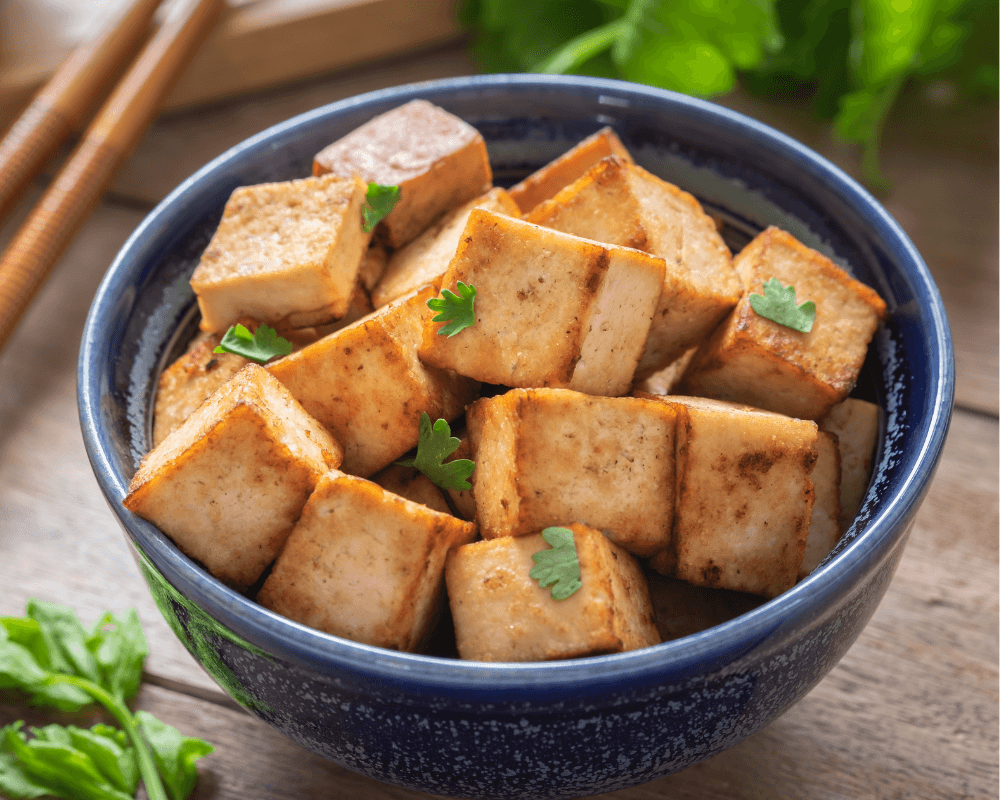
Tofu comes from Asia, where people have used it for hundreds of years. It is made from soya beans, water and a setting agent. The curd is then pressed into the white blocks we know. There are several types, depending on how much water they hold. Silken tofu is very soft and good for creams, sauces or desserts. Firm tofu can go in the pan, the oven or on the grill.
If you’ve ever disliked tofu, the problem may not have been the tofu. It may have been how it was cooked. Plain tofu really isn’t full of flavour. But that’s also its biggest plus. It can soak up soy sauce, garlic, chilli, ginger, curry, herbs and smoky BBQ marinade. If you pat it dry before cooking and fry it until golden, you’ll get a crispy outside. That’s very different from a soft white cube straight from the pack.
What is tempeh?
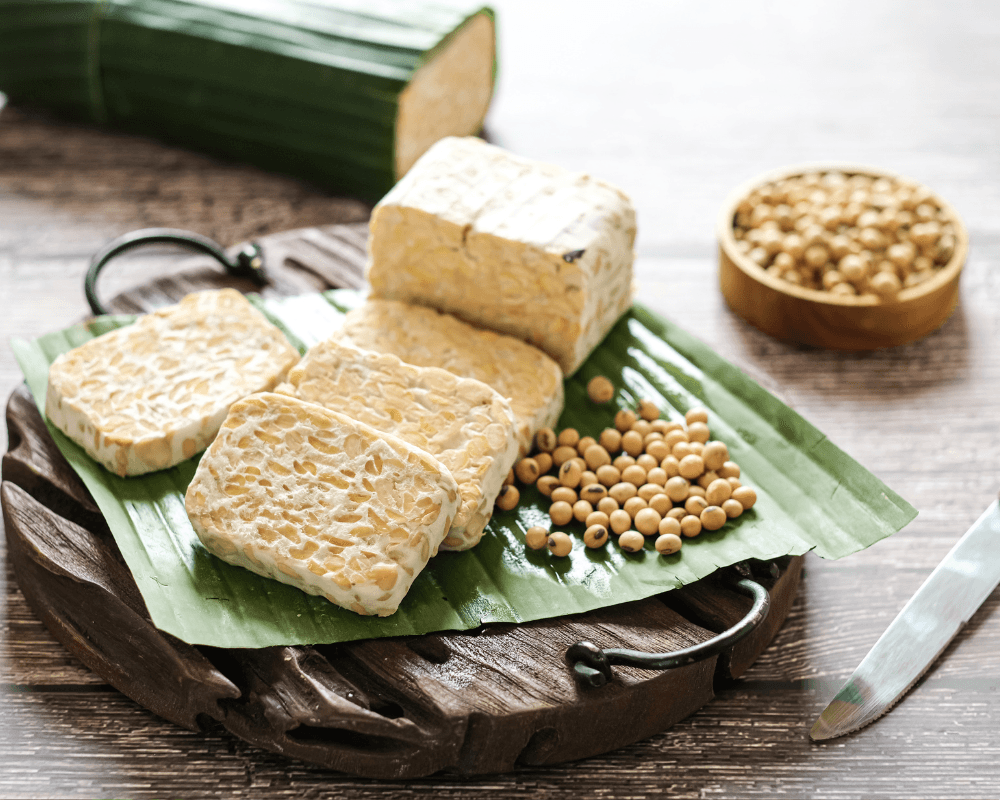
Tempeh comes from Indonesia. Unlike tofu, you can still clearly see the whole soya beans in it. They are cooked and then fermented with a culture that binds them into a solid block. The result is a firm texture and a much stronger taste. Tempeh is a little nutty, earthy and sometimes a bit bitter. That’s why it can surprise you more than tofu the first time.
Fermenting is also one reason tempeh is so good for you. The whole beans keep their protein, fibre and minerals, and fermenting changes some natural parts of the soya. So tempeh isn’t just a different kind of tofu. It’s a whole different food, even though both start from the same bean.
How do tofu and tempeh compare in nutrition?
This is where it gets interesting. The exact numbers depend on the brand. But because tempeh uses whole soya beans, it is usually a richer source of nutrients.
Protein
Both are good sources of plant protein, but tempeh usually has more. 100 grams of tempeh usually has about 18–20 grams of protein. Firm tofu varies much more, often about 8–15 grams. So if you want as much protein as possible in your meal, tempeh usually wins.
Fibre
There is also a clear difference in fibre. Tempeh is made from whole beans, so it keeps more fibre. Tofu loses some fibre when it is made. That doesn’t mean tofu is a bad choice. Just eat it with vegetables, a wholegrain side or pulses.
Energy and fat
Tempeh also usually has more calories and more fat. That isn’t always bad. Soya has mostly unsaturated fats, and the extra energy can help you feel full for longer. But if you’re watching how many calories you eat, keep an eye on portion size.
Which one keeps you fuller?
If we judged them on their own, with no sides, tempeh is better at keeping you full for longer. It has lots of protein, fibre and fat, and together they slow down digestion. But very few people eat a block of tempeh on its own for lunch.
How full you feel depends on the whole plate. Tofu with vegetables, brown rice and a little sesame oil can be a much more balanced meal than a big portion of tempeh with no vegetables or side. So it’s not just about picking the single best food. It’s about mixing foods well.
Is tofu or tempeh better for weight loss?
You don’t need to pick a winner here. Weight loss doesn’t depend on tofu or tempeh. It depends on how many calories you eat over time and what your diet looks like overall.
Tofu has fewer calories and lots of protein for those calories.
Tempeh has more calories, but its extra protein and fibre may keep you fuller.
How you cook them matters much more. Tofu soaked in lots of oil and covered in sweet sauce can have more calories than tempeh fried simply with vegetables. For a lighter meal, bake, grill or quickly fry them in a little fat, and fill most of your plate with vegetables.
Which is better for digestion?
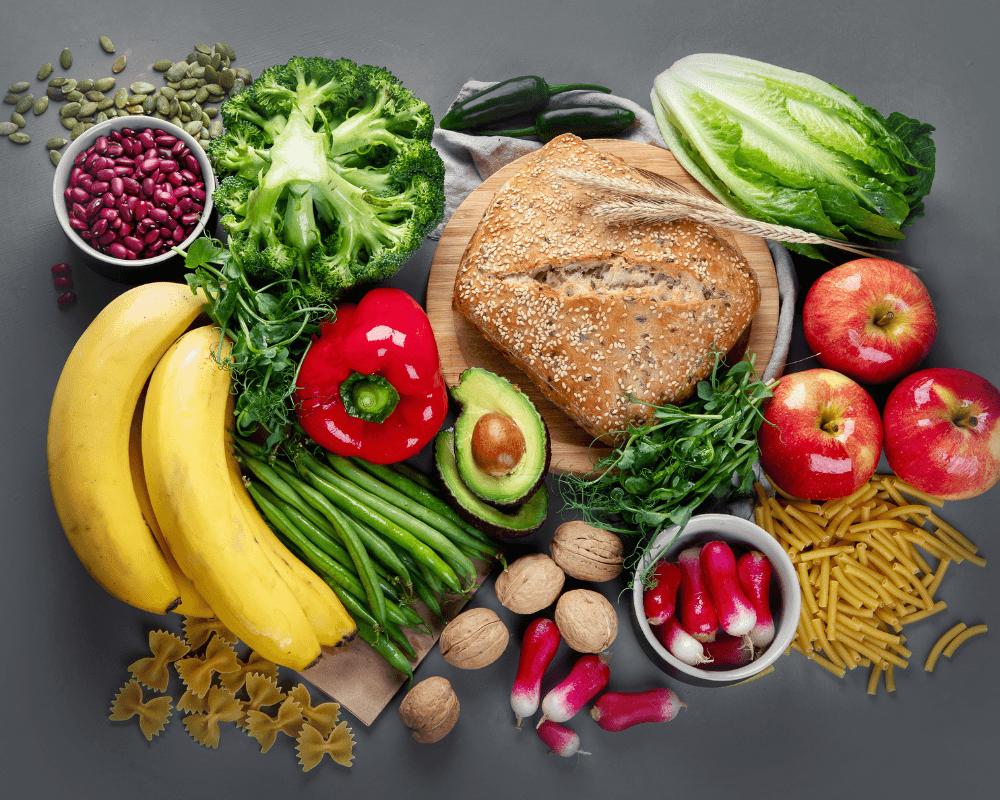
Tempeh has one interesting plus: fermentation. During fermentation, tiny living things break down some parts of the soya beans. So some people find tempeh easier to digest than whole, unfermented soya beans. That doesn’t mean tofu is hard to digest. In fact, some of the fibre and other bean parts are removed when tofu is made, so most people handle it well.
If you don’t usually eat soya products, start with a small portion and see how your body reacts. As with pulses, how your own body reacts matters more than any general rule.
What do tofu and tempeh taste like?
This is probably where they differ most. Tofu tastes exactly as good as you make it. On its own, it’s very mild, even bland for some people. It is a base that waits for a marinade, spices or sauce. If you throw it in a pan with no seasoning and expect a great meal, it probably won’t happen.
Tempeh has its own character even before you season it. It is nutty, a little earthy and bolder. Some people like it right away. Others need a little time to get used to it.
Put simply:
if you want a neutral base that fits any dish, choose tofu,
if you want a bolder taste and a firmer texture, tempeh will probably suit you better.
How do you cook tofu and tempeh so they taste good?
One rule works for both: don’t be shy with seasoning.
Tofu needs a marinade and high heat
First, pat firm tofu dry. If it holds a lot of water, put something heavy on it for a while to press out the extra liquid. Then cut or tear it, marinate it and fry it until golden.
A mix of soy sauce, garlic, ginger, chilli and a little sesame oil works really well. For a crispier outside, toss it in a little starch before cooking.
Tofu is great in:
stir-fries,
curries,
Asian noodles,
salads,
bowls,
sandwiches and wraps.
Tempeh can handle bolder flavours
Cut tempeh into thin slices or cubes and marinate it like tofu. It goes really well with BBQ sauce, smoked paprika, soy sauce, garlic or chilli.
Does its natural bitterness bother you? Steam it or simmer it for a few minutes before you marinate it. This makes the taste milder and helps it soak up the marinade. It’s great in sandwiches, salads, bowls, tortillas, or just fried with vegetables and a side.
Where does jackfruit fit in?
Jackfruit is often used in the same recipes as tofu or tempeh. But in terms of nutrition, one thing is clear: it isn’t a direct swap for them. Tofu and tempeh are soya products rich in protein. Young jackfruit is a fruit. Its main strength is something else: its stringy texture, volume and ability to soak up the flavours of spices, marinades and sauces.
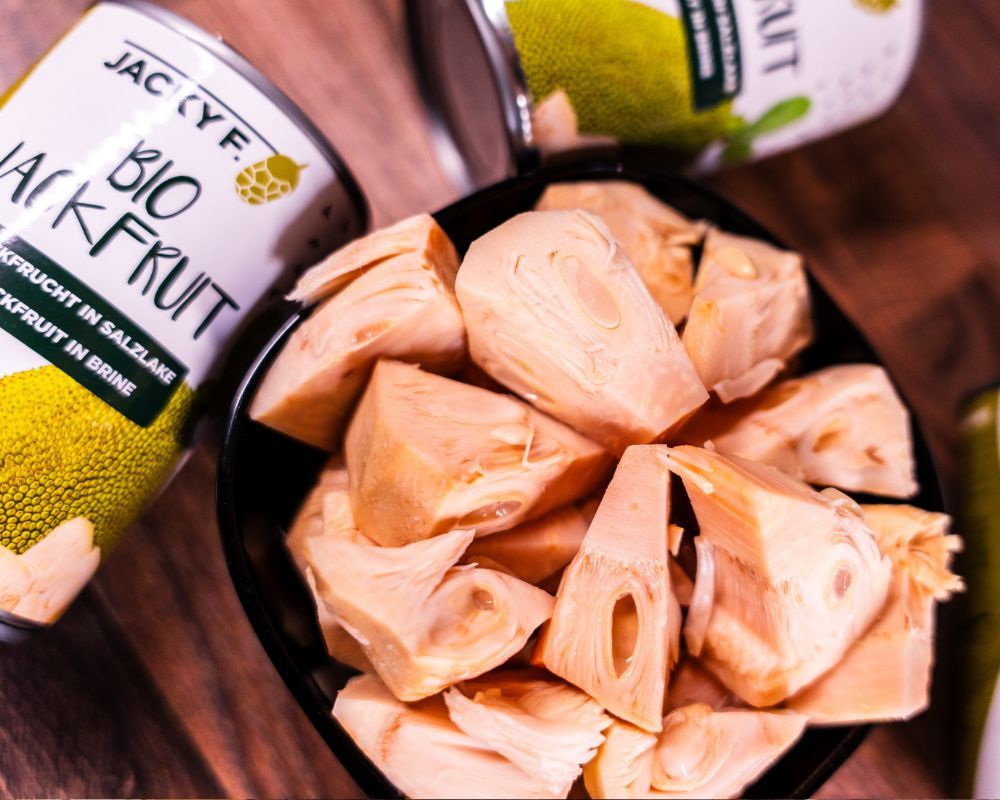
When you shred it, it looks like pulled meat. So it works really well wherever you want a juicy filling, like in:
To make jackfruit a more balanced main meal, add a source of protein. Beans in tacos, chickpeas in curry, or a pulse spread in a wrap all work really well. That way, you get jackfruit’s great texture and a meal that keeps you fuller.
Tofu, tempeh or jackfruit?
You don’t really need to pick one winner. Each one suits something different:
Choose tofu when you want a versatile source of plant protein that fits the flavour of any dish.
Tempeh is great if you want more protein, a firmer texture and a bolder taste.
Jackfruit makes sense when a juicy, stringy texture matters most, like in tacos, a burger or a pulled filling.
You don’t have to set them against each other. Tofu, tempeh and jackfruit can all have a place in a varied diet. It matters much more to mix up different sources of protein, vegetables, pulses and other plant foods than to search for the one “healthiest” food. Variety does more for your diet than hunting for a single winner.
Author: Ing. Kateřina Jakešová, nutrition specialist and copywriter
FAQ: Tofu vs. tempeh
Which has more protein, tofu or tempeh?
Tempeh usually does, with about 18–20 g per 100 g. Firm tofu has about 8–15 g.
Which is easier to digest?
Many people find tempeh easier, because it is fermented. Most people also handle tofu well.
Which is better for weight loss?
Neither one alone. Tofu has fewer calories, and tempeh keeps you fuller. How you cook them matters most.
Can jackfruit replace tofu or tempeh?
Not for protein. Jackfruit is best for its pulled-meat texture, so pair it with beans or chickpeas.