Plant Protein: The Best Sources and How to Combine Them
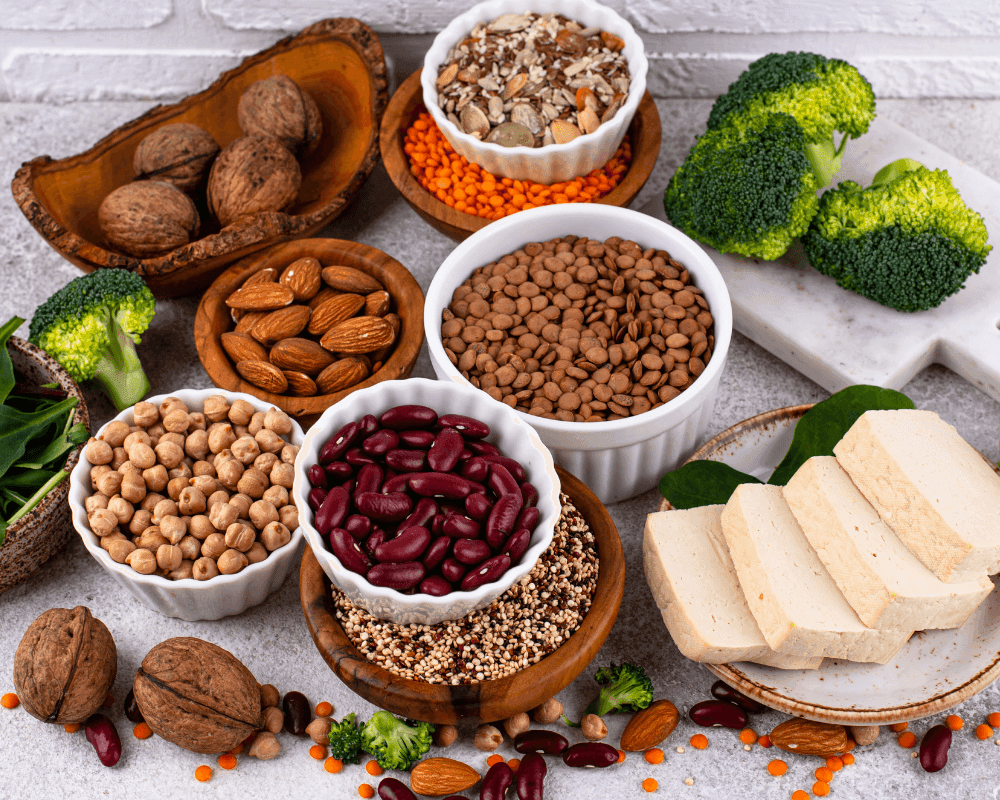
Most adults need about 0.8 g of protein per kg of body weight a day, and active people need more. The best plant sources are pulses, tofu, tempeh and seitan, with extra help from grains, nuts and seeds. You don’t need to combine them in one meal; just eat a variety each day.
Protein isn’t just for athletes. We need it every day for muscles, the immune system, making enzymes and repairing the body. When people hear “protein”, many think of chicken breast or eggs. But we can get plenty of it from plants too. You just need to know what to pick. Some plant foods have a surprising amount of protein. Others only look like good sources. So how do pulses, tofu, tempeh, nuts and jackfruit compare? And do we need to combine them in a special way during the day?
How much protein do you really need?
Let’s start with a number that people often get wrong. For a healthy adult, the usual basic advice is about 0.8 g of protein per kilogram of body weight per day. So a person who weighs 70 kg needs about 56 g.
This amount mostly covers the body’s basic needs. Eating more can make sense for active people, older adults, during weight loss or when building muscle. People who exercise often aim for about 1.2–2.0 g per kg, depending on the type and level of activity.
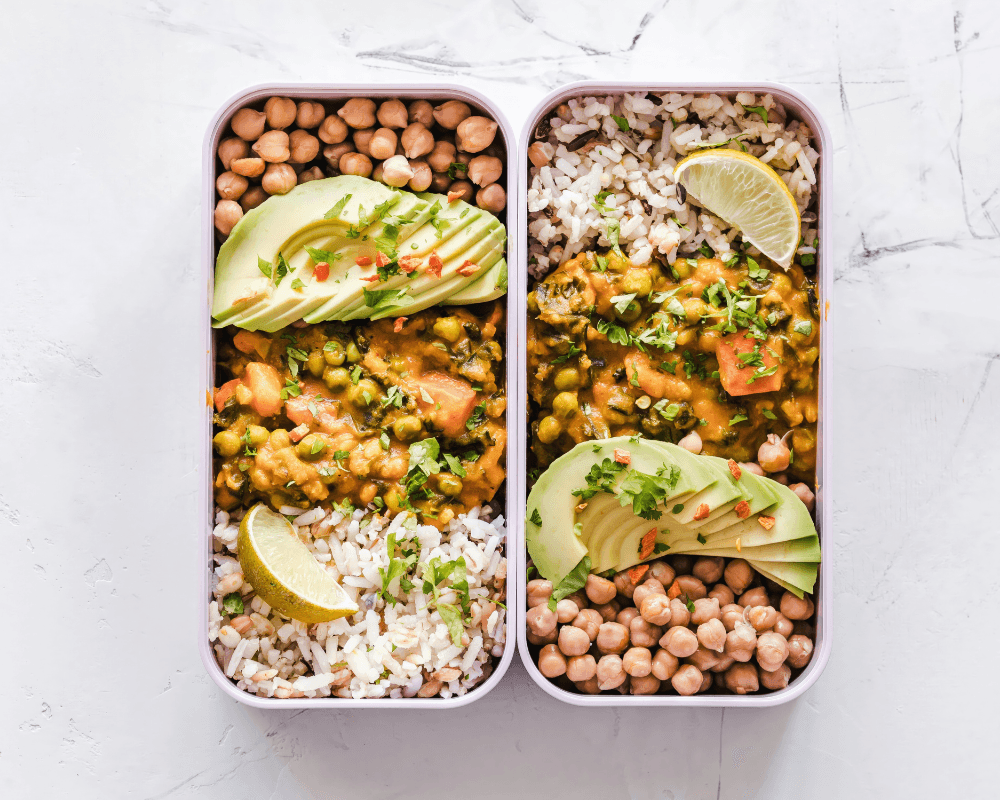
You don’t need to eat a huge portion of protein in the evening to make up for the whole day. It’s easier to spread your protein across several meals. For example, add skyr or soya yoghurt to your breakfast porridge. Put chickpeas in your lunch salad, and have tofu or tempeh for dinner. You’ll soon see that the grams add up quite easily.
Is plant protein lower quality?
You’ll often hear that plant proteins aren’t complete. The truth is a bit more interesting. Proteins are made of building blocks called amino acids. Nine of them are called essential. Our bodies can’t make them, so we must get them from food. Plant foods differ in how much of each amino acid they have and how well the body can use their protein.
For example, pulses usually have fewer of some amino acids (the ones that contain sulphur), while grains have less lysine. But that doesn’t mean you need an amino acid chart at every lunch to build perfect pairs. With a varied diet, you don’t need to combine protein sources in the same meal. The body uses the amino acids it gets over the whole day. It matters much more to eat enough protein overall and to mix up your sources.
Why are pulses a great source of protein?
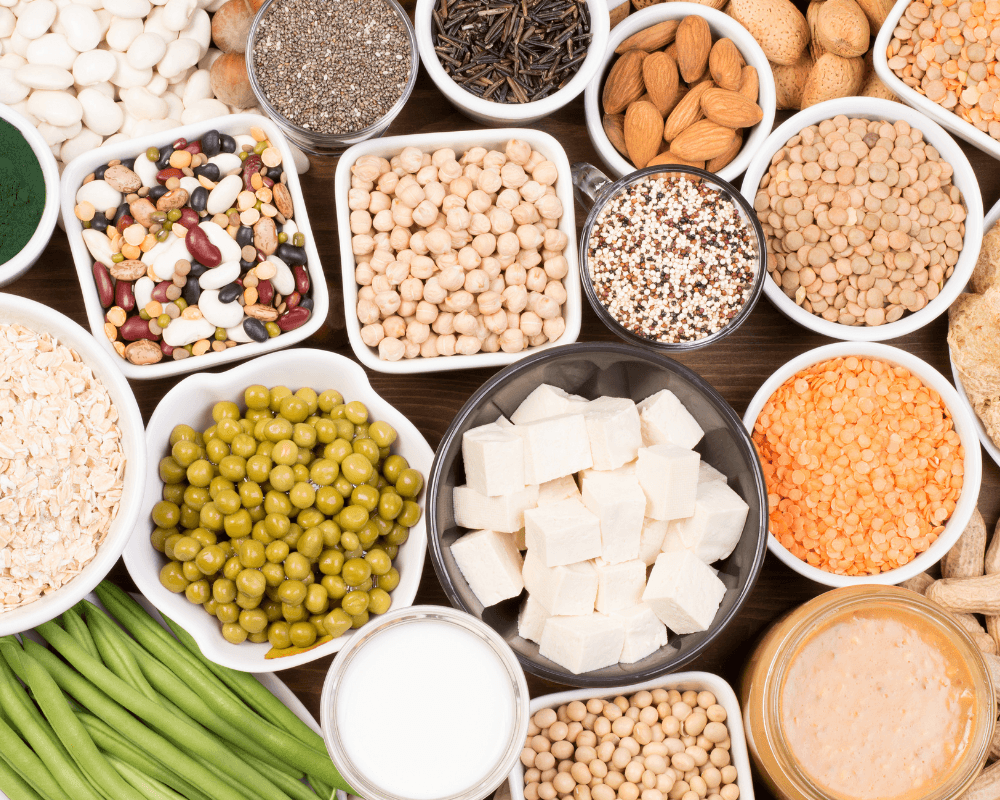
Lentils, beans, peas and chickpeas have one big plus. Along with plant protein, they give you lots of fibre. This mix makes them filling, and it’s easy to build a whole main meal around them.
You don’t have to cook half a kilo of beans from scratch. Canned chickpeas or lentils without needless additives are a great, practical choice. Rinse them, and in a few minutes you can make a curry, salad, hummus or tortilla filling.
If you don’t eat pulses often, don’t start with a huge portion. Add fibre slowly, so your tummy has time to get used to it.
The mix of protein and fibre is one reason pulses are so filling. We wrote more about it in our article Foods That Keep You Full the Longest.
Why are tofu and tempeh so useful?
Do you want lots of plant protein in one meal without a huge amount of food? Then tofu and tempeh are some of the most practical options.
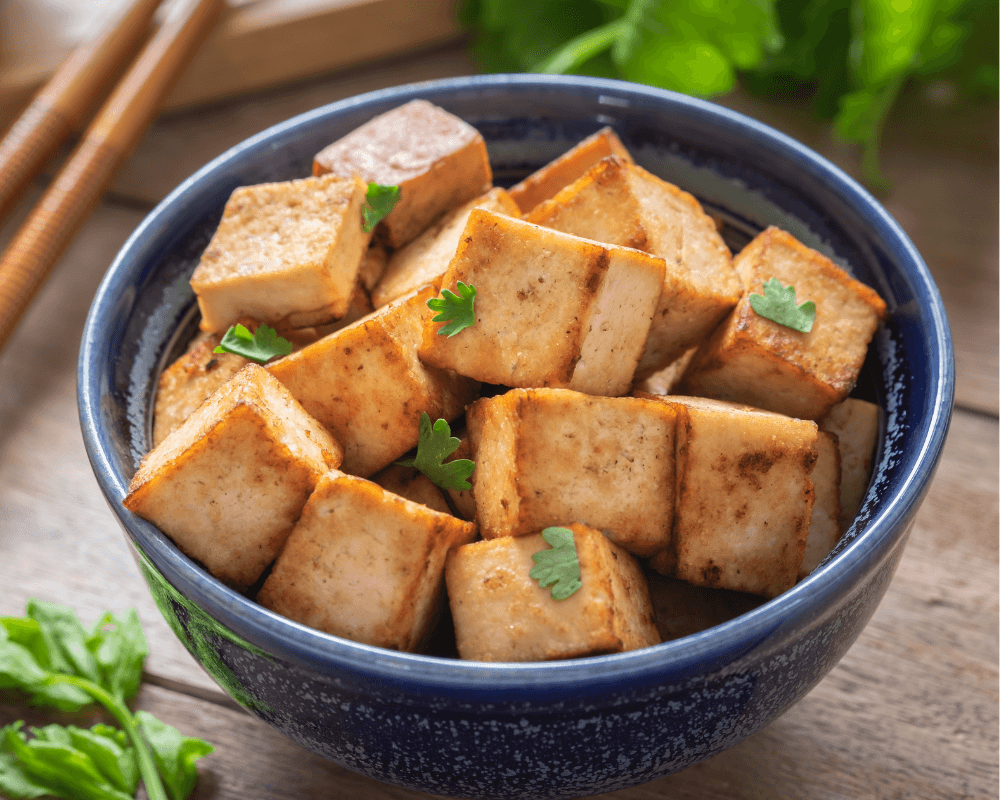
Tofu has a mild taste and works a bit like a sponge. It may not wow you on its own, but it soaks up marinades, spices and sauces well. You can fry it until crispy, add it to a stir-fry, crumble it instead of eggs, or use silken tofu to make a creamy sauce.
Tempeh is made by fermenting whole soya beans. It has a firmer texture and a bolder, slightly nutty taste. It also usually has more protein and fibre than tofu. It’s great in a pan, on the grill, in bowls or thinly sliced in a sandwich.
Both have their strengths, and you don’t need to pick a winner. Want to know more? Read our comparison of tofu and tempeh.
Is seitan a good source of protein?
Yes, but it isn’t for everyone. Seitan is a bit different. It isn’t made from soya or pulses but from wheat gluten. That’s why it has lots of protein. When cooked well, it has a firm, chewy texture like meat.
Its weak spot is the amino acid lysine, which it has quite little of. But a varied diet with pulses, soya or other protein foods during the day easily fixes that. Seitan is not safe for people with coeliac disease, because it’s basically pure gluten. For everyone else, it can be an interesting addition, especially if you’re getting bored of tofu.
You’ll find more ways to replace meat in our article What to Replace Meat With? 7 Nutritious Alternatives.
Are nuts and seeds a good source of protein?
They are a great addition, but not the main source. Almonds, peanuts, pumpkin seeds and hemp seeds do have a fair amount of protein. Still, we wouldn’t build all our protein around them.
The reason is simple. Along with protein, they also have lots of fat and calories. To get as much protein from nuts as from a portion of tofu, you’d have to eat a lot of them.
So they work much better as an extra:
a handful of nuts in your porridge,
pumpkin seeds on a salad,
tahini in hummus or a dressing,
peanut butter in a smoothie,
hemp seeds in yoghurt or a breakfast bowl.
You add a bit of protein, and you also get healthy fats, fibre and many minerals.
Do grains have protein too?
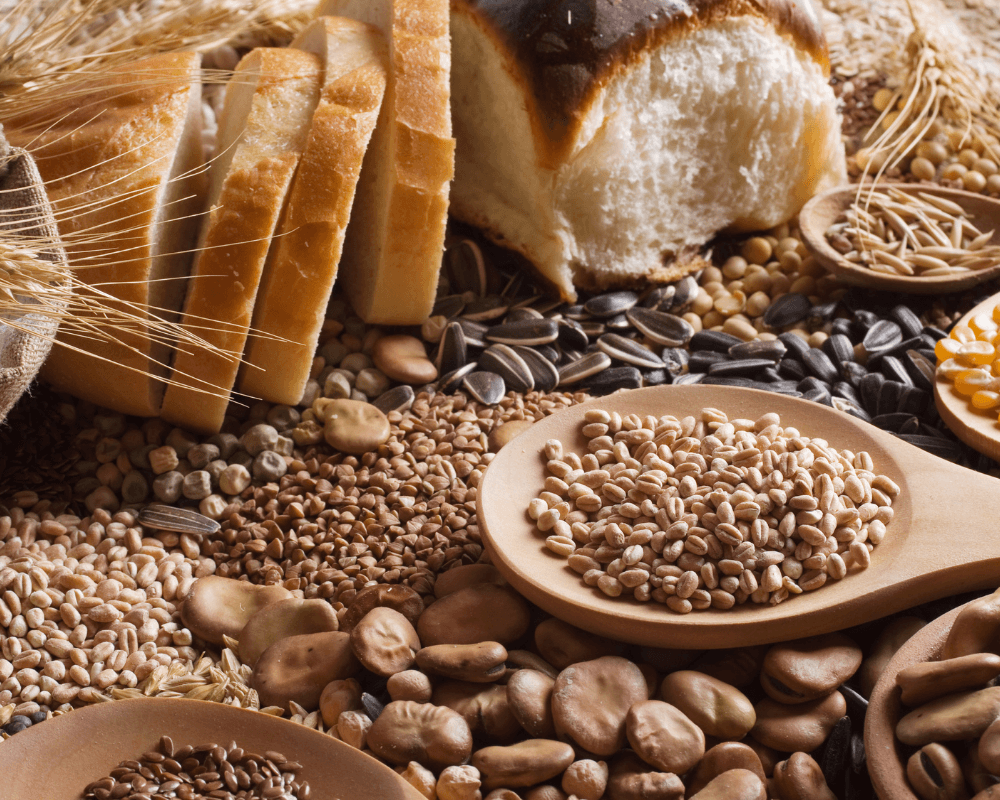
Yes. We mostly think of rice, bread or oats as carbs. But they also add to your total protein for the day. Oats, quinoa, wholegrain bread and buckwheat have more than most. On their own, they usually won’t be the main protein in a meal. But together with other foods, they count.
A bowl of porridge is a good example. The oats already have some protein. Add soya milk, skyr or soya yoghurt, a spoonful of peanut butter and some seeds. Now a carb-heavy breakfast becomes a much more balanced meal.
Do you have to eat rice with beans?
You may have heard that plant foods need to be paired the right way. Beans with rice, lentils with bread, hummus with pitta. These pairs really do make sense for nutrition, because their amino acids fill each other’s gaps. But they don’t need to be on the same plate.
Let’s say that during the day you eat oats, wholegrain bread, chickpeas, tofu, nuts and vegetables. Then you get amino acids from many sources. Your body will handle them fine, even if you ate the chickpeas at lunch and the grains at dinner. So instead of chasing perfect pairs, focus on variety. Mix up pulses, soya foods, grains, nuts and seeds.
Is jackfruit a good source of protein?
No, and it’s important to say so. Jackfruit is often called a plant-based meat alternative, because once shredded, its stringy texture looks like pulled meat. But that doesn’t mean it has the same nutrition. Jackfruit is not a big source of protein.
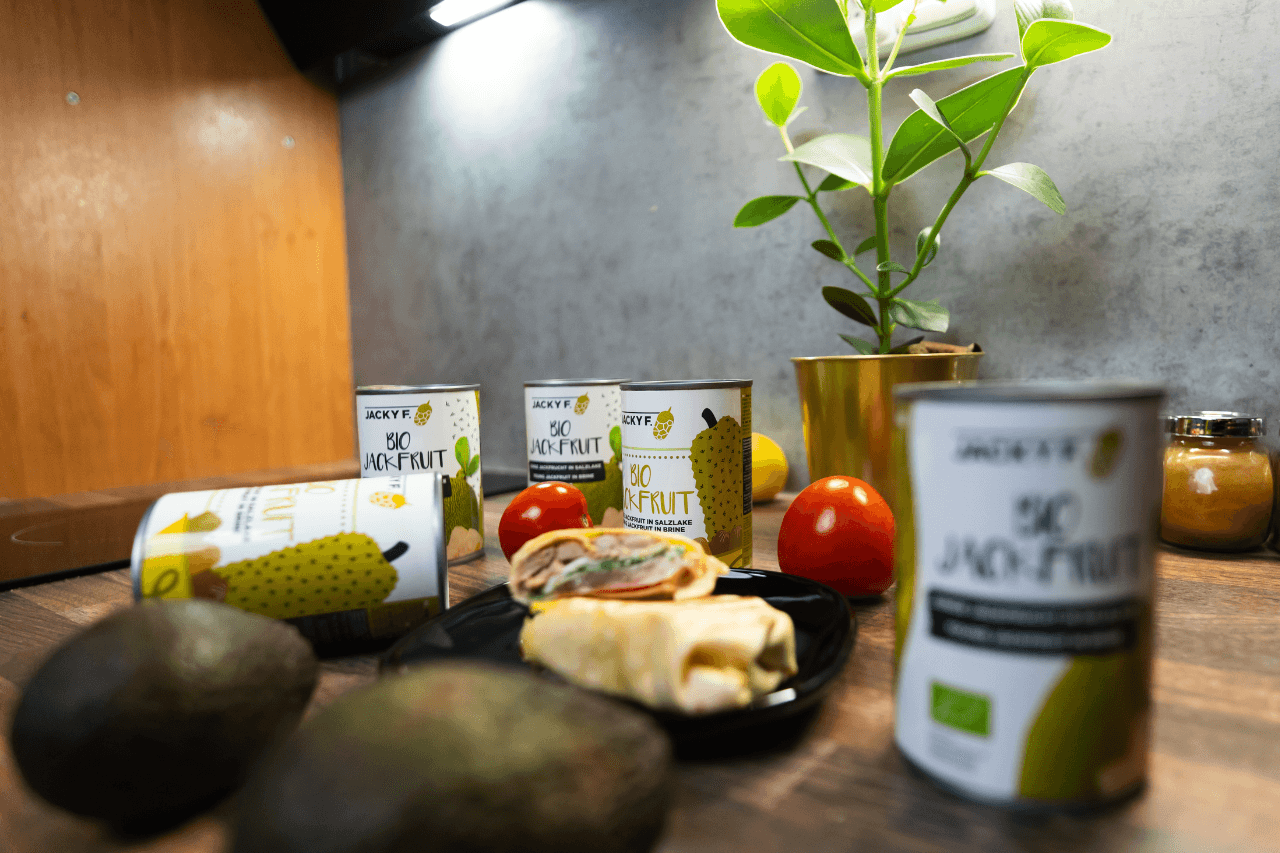
And there’s no reason to pretend it is. Its strengths are different. Young jackfruit adds volume, gives you fibre and, most of all, soaks up the flavour of marinades, spices and sauces. But if you use it instead of meat in a main meal, think about where your protein will come from.
Very simple combos are enough:
jackfruit + black beans in tacos,
jackfruit + chickpeas in a curry,
a jackfruit burger topped with a pulse spread,
a jackfruit bowl with edamame,
a jackfruit wrap with hummus.
You get a much more nutritious meal without asking jackfruit to do a job it isn’t made for. Want a direct comparison? Read Jackfruit vs. Tofu: We Compared Two Plant-Based Stars.
What does a day with enough plant protein look like?
You don’t need to count every gram. It’s much easier to ask yourself at each main meal: Where’s my protein?
A day could look like this:
Breakfast: porridge with soya yoghurt, peanut butter and seeds.
Lunch: lentil salad with roasted vegetables and wholegrain bread.
Snack: hummus with vegetables and a piece of bread.
Dinner: tacos with spiced jackfruit, black beans, vegetables and avocado.
There’s nothing exotic or tricky about it. That’s the handy thing about plant protein: you don’t need to change your whole diet. Often it’s enough to eat foods you already know more often.
What are the most common mistakes in a plant-based diet?
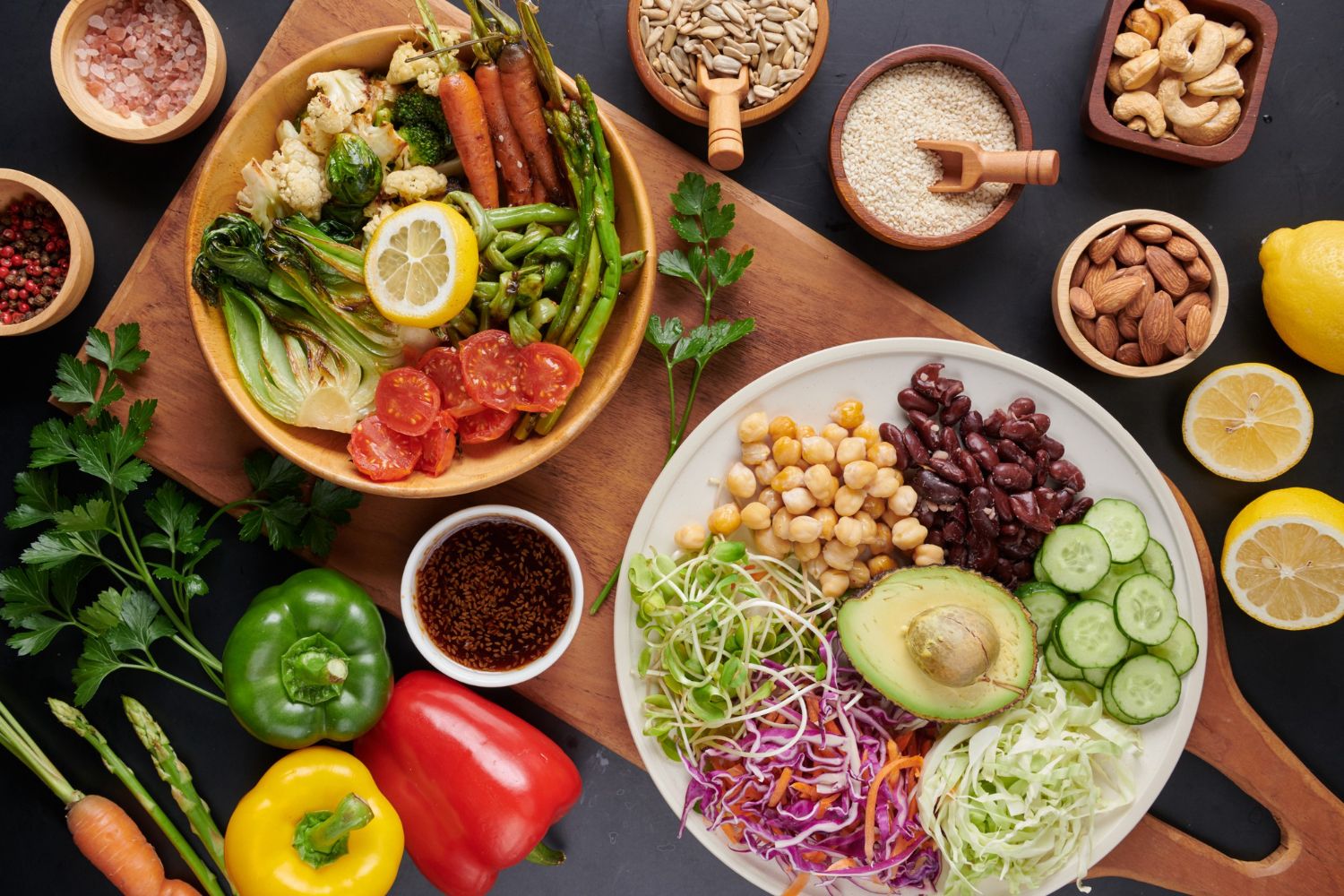
The biggest problem usually isn’t that plants lack protein. It’s that people forget about protein when they plan a meal. A classic example is a vegetable salad with a little bread. It can be colourful and full of vegetables. But without tofu, pulses, tempeh or another protein, it probably won’t keep you full for long.
Watch out for:
using nuts as your main source of protein,
replacing meat only with vegetables or jackfruit, with no other protein,
portions of pulses, tofu or tempeh that are too small,
a very one-sided diet with the same few foods,
looking for one best protein food instead of variety.
Is plant protein hard to get right?
No, it isn’t rocket science. You don’t need to know the amino acids in every food or pair beans with rice using a chart. For most people, one simple rule is much more useful: eat a real source of protein at every main meal and mix up your sources over the week.
One day it might be lentils, the next day tofu, and another day tempeh or chickpeas. Nuts, seeds and grains add a bit more. And jackfruit brings texture and flavour when you want a break from meat. A plant-based diet doesn’t have to be about finding substitutes. It can be a chance to put more kinds of food on your plate than you’re used to.
Author: Ing. Kateřina Jakešová, nutrition specialist and copywriter
FAQ: Plant protein
How much protein do I need a day?
Most healthy adults need about 0.8 g per kg of body weight. Active people often need 1.2–2.0 g per kg.
What are the best plant protein sources?
Pulses, tofu, tempeh and seitan. Grains, nuts and seeds add extra protein.
Do I need to combine plant proteins in one meal?
No. Your body uses amino acids from the whole day, so variety is what matters.
Is jackfruit high in protein?
No. Jackfruit is high in fibre, so pair it with beans, chickpeas or edamame for protein.