What Is Flexitarianism? Why Eating Less Meat Makes Sense
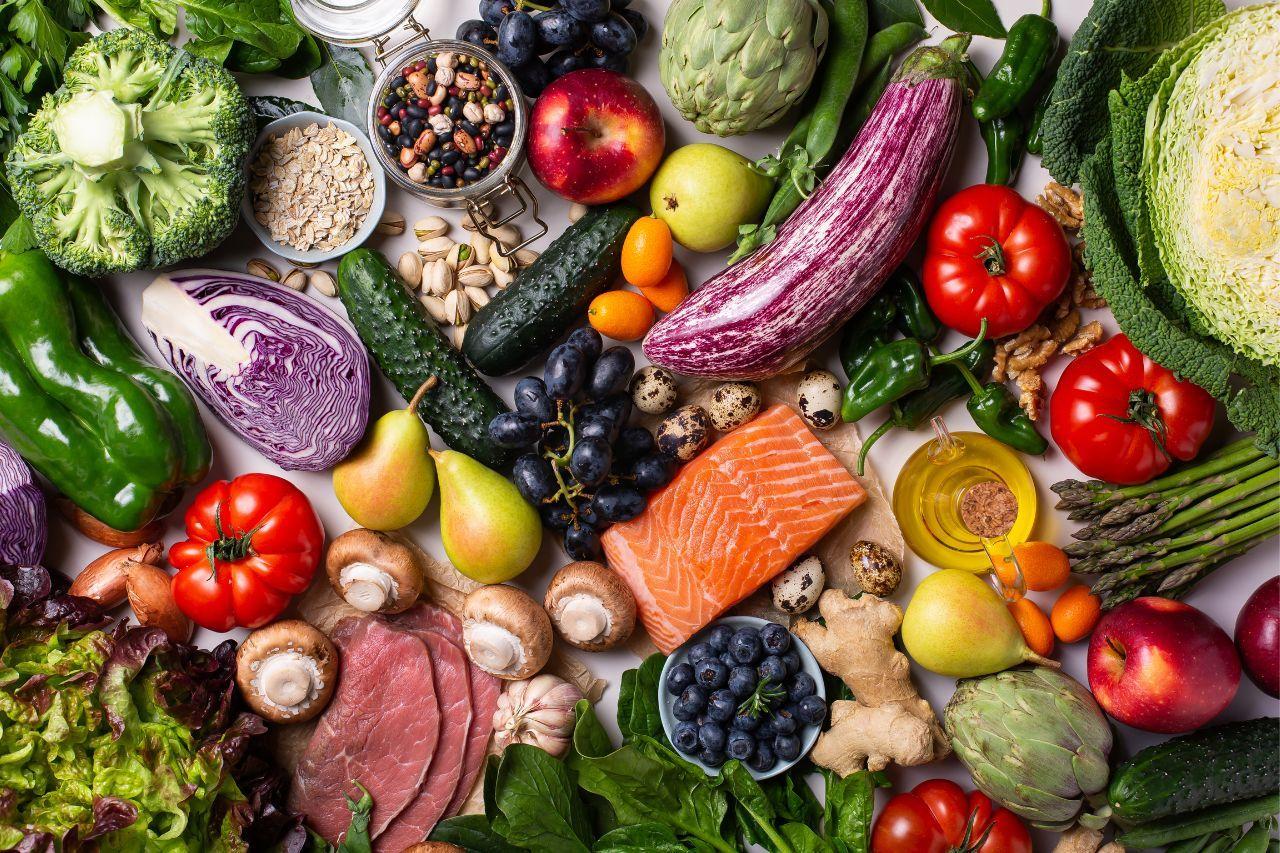
Flexitarianism is a flexible way of eating that is mostly plant-based but still allows some meat. You don’t ban meat; you just eat less of it and fill your plate with vegetables, pulses, grains and foods like jackfruit.
Eating less meat doesn’t mean turning your whole life upside down. Flexitarianism is more of an approach than a rule. More and more people find that less meat on the plate can mean feeling lighter, more flavour and more fun in the kitchen. It’s not about bans. It’s about making good choices.
Flexitarianism has one big plus. It makes room for plant foods that are natural, cheap and can be used in many ways. Jackfruit is one of them. It doesn’t pretend to be meat, but it can replace it very cleverly in the kitchen.
Let’s look at why it makes sense to eat less meat, what flexitarianism really means, and how it can look in everyday meals.
What is flexitarianism?
Flexitarianism is a way of eating that sits between a normal diet and a fully plant-based one. It is built mostly on plant foods: vegetables, pulses, grains and fruit. But meat doesn’t vanish from the menu. It just isn’t on every plate anymore.
Flexitarianism is not vegetarianism or veganism. It doesn’t ban meat or set strict rules. Instead, it asks you a simple question at mealtimes: do I really want meat right now, or am I eating it out of habit?
Is flexitarianism a diet?
No. Flexitarianism isn’t a diet or a short challenge. It is an approach that leaves room for common sense, taste and real life. One day your plate might be fully plant-based. Another day you might eat a small portion of meat, or use it as a side instead of the main part of the meal.
For many people, this is a much more natural path than “all or nothing”. It is good for your health and easy to keep up. You don’t need big changes overnight. Small steps easily become part of your routine. So flexitarianism isn’t about limits. It’s about more freedom of choice. It means eating more mindfully, with more variety and with more respect for your body and your food.
Why are more and more people eating less meat?
For many people today, eating less meat isn’t a huge decision. It’s more of a slow change. They don’t have to do it, but it starts to make sense to them. Here’s why:
Tastes and habits are changing. Flexitarians find new foods, spices and mixes. Plant-based dishes stop being a “swap” and become a real part of the menu.
Digestion is easier. Fewer heavy meals and more vegetables, pulses and fibre often help us feel better after eating. There’s no heavy, tired feeling like after a very meaty meal.
There’s more variety on the plate. When meat isn’t always the centre of the meal, there’s room to be creative.
People care more about their food. They think more about where their food comes from, how it was made and what’s behind it.
TIP: How can you cut waste in your kitchen? Read our article.
Does less meat mean less protein?
No. One of the biggest worries when eating less meat is: will I get enough protein? In fact, meat isn’t the only source of protein. We have just been used to thinking of it that way for a long time.
In a plant-based diet, protein comes from many places at once. Pulses, grains, seeds, nuts and some vegetables add up over the day. You don’t need hard maths or special products.
The key is to see things in a new way. Flexitarianism doesn’t try to make a perfect meat-free copy of a meat dish. Instead, it helps you build your plate in a smart and varied way. When protein comes together with fibre, carbs and good fats, it often works better for the body than one big piece of protein.
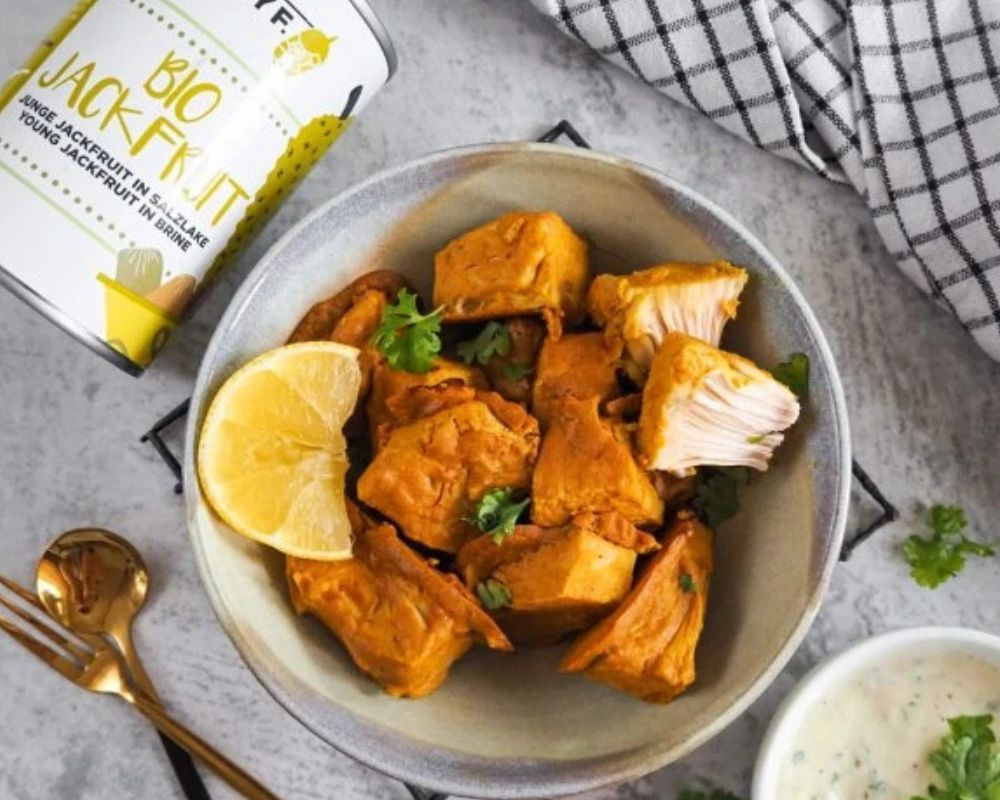
That’s why flexitarian cooking uses foods that aren’t highly processed and that mix well with others. Jackfruit is a good example. It isn’t a main source of protein. It’s more of a hearty, tasty base for a meal, and you add other nutrients around it.
Which plant foods should you eat more of?
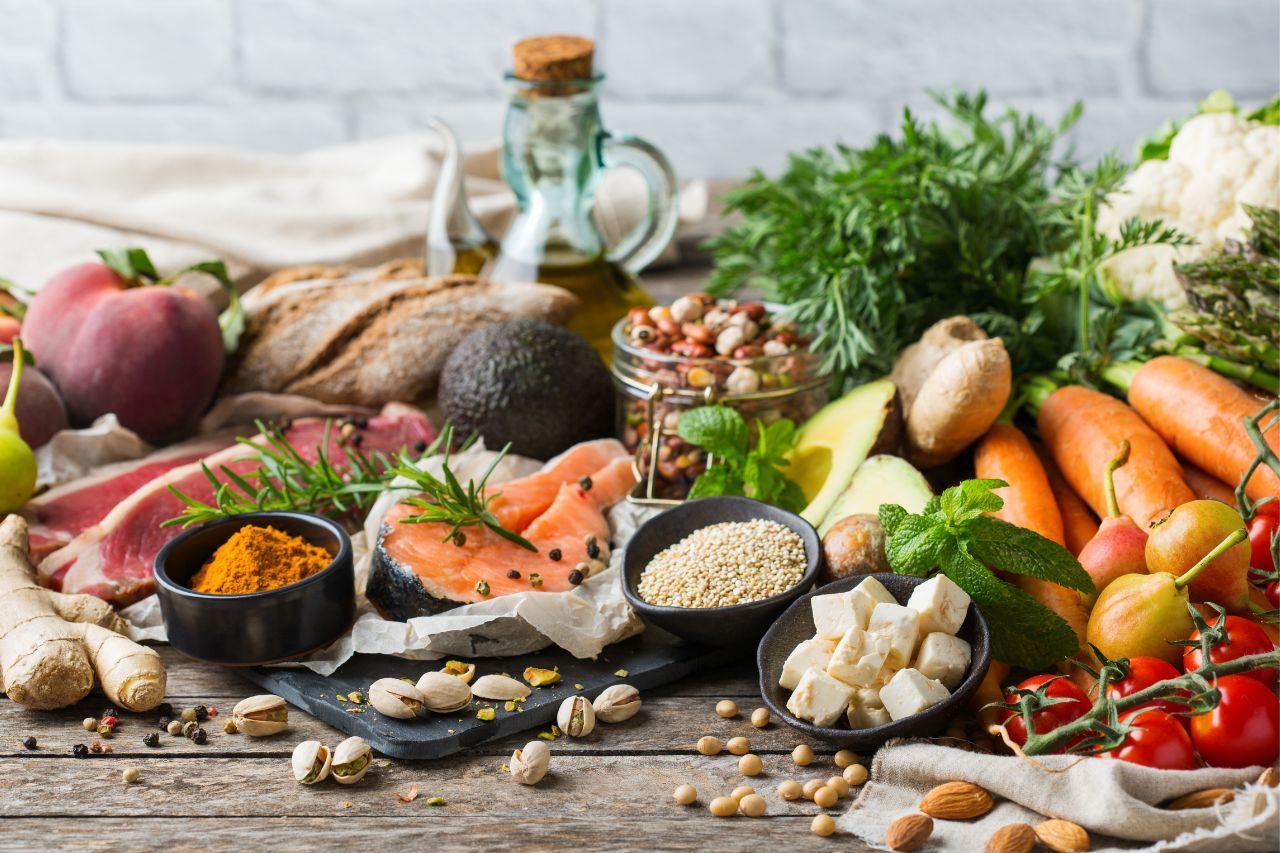
Flexitarianism doesn’t need special products or substitutes that pretend to be something else. It is built on simple, natural foods that are cheap, healthy and easy to mix.
The most common are:
Pulses: lentils, chickpeas or beans fill you up, give you protein and work in hot and cold dishes.
Grains and seeds that act like grains: rice, bulgur, quinoa or buckwheat make a good base and go well with other foods.
Vegetables: not just a side, but the main part of a meal. Roast, braise, stir-fry or eat them raw.
Nuts and seeds: a small amount does a lot. They add fats, flavour and crunch.
Jackfruit fits in this group too. It isn’t there for protein. It gives plant-based dishes body, texture and room for spices. It has a neutral taste, so it goes with many spices and cooking styles. It works well wherever we would usually reach for meat.
What does a flexitarian week look like?
Flexitarianism isn’t about a strict plan or counting how many times you eat meat each week. It’s a natural rhythm that fits your week, your taste and your time. Here is what it can look like:
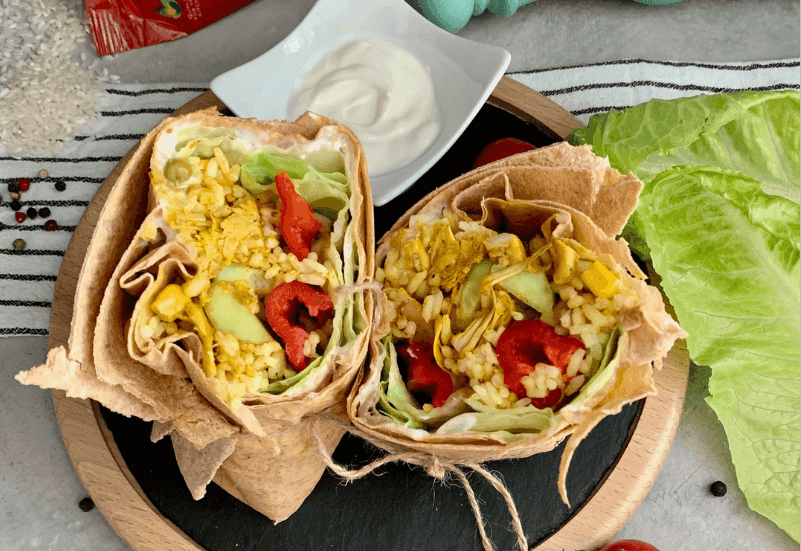
Meat-free meals: for example a creamy soup, a vegetable curry, pasta with seasonal vegetables or a tortilla filled with jackfruit. They are filling, full of flavour and naturally plant-based.
Less meat: sometimes you keep the meat, but in a smaller amount. It isn’t the centre of the plate; it just adds to the meal. Think of a piece of chicken in a risotto, a few slices of meat in a vegetable stir-fry, or a broth as the base for a light meal. You keep the flavour without feeling heavy.
Flexi days: on these days you don’t worry about whether a meal is plant-based enough. You cook based on your mood, your fridge and your hunger. It can be meat-free or have one proper meat dish.
The result isn’t a strict plan. It’s more freedom. You eat with more variety and more care, and you don’t feel like you’re missing out. That’s exactly why people keep coming back to flexitarianism.
Is flexitarianism just a trend?
No. Flexitarianism isn’t a short experiment. It’s a return to a way of eating that makes sense in the long run, tastes good and fits our needs and real life. Less meat on the plate often doesn’t mean less joy in food. In fact, it gives you more room for new flavours, foods and mixes you might never have tried. Whether you pick vegetables, pulses or jackfruit, every step is a small move towards more varied and mindful eating.
Author: Ing. Kateřina Jakešová, nutrition specialist and copywriter
FAQ: Flexitarianism
What does flexitarian mean?
A flexitarian eats mostly plant foods but still eats meat sometimes, in smaller amounts.
Is flexitarianism the same as vegetarianism?
No. Vegetarians don’t eat meat. Flexitarians just eat less of it, with no strict rules.
Can I get enough protein if I eat less meat?
Yes. Pulses, grains, seeds, nuts and some vegetables give you protein throughout the day.
How does jackfruit fit a flexitarian diet?
Young jackfruit is a tasty, high-fibre base that can replace meat in tacos, curries and stews.