How to Start a Vegan Diet: Easy Tips for Beginners
To start a vegan diet, go step by step: pick a few plant-based days each week, build meals with protein, whole grains, fibre and healthy fats, and watch key nutrients like vitamin B12, vitamin D, omega-3s, calcium, iron and zinc.
Going vegan can be one of the best choices for your health, the planet and even your taste buds. But how do you actually start? How do you plan meals that fill you up and give you everything you need?
Maybe you’re just curious, or maybe you’re ready to switch fully. Either way, here are some easy tips for getting started with veganism. Add healthy foods like jackfruit, and find a way of eating that fills you up and is good for your body and mind.
How do you start eating plant-based?
Switching to a plant-based diet is a great step, but it helps to have a plan. A vegan diet that isn’t well planned can lack variety. You don’t have to change your whole routine right away. Just start slowly and add more plant foods every day. The most important thing is to find a balance that works for you.
Start with a few days a week when you eat only plant-based food. Then slowly add more. For example, instead of a classic meat lunch, pick something made with beans, lentils or vegetables. Your switch should be fun, with no pressure to be perfect. Take small steps and see how your body gets used to it.
How do you build a balanced vegan meal plan?
A balanced vegan meal plan can take some work at first. But it’s the key to feeling full of energy. Plant-based eating may seem tricky, but it offers lots of options for tasty, healthy meals that cover all your needs.
Think about the main nutrients that should be part of every meal: protein, healthy fats, carbs, fibre, vitamins and minerals. Here are some tips:
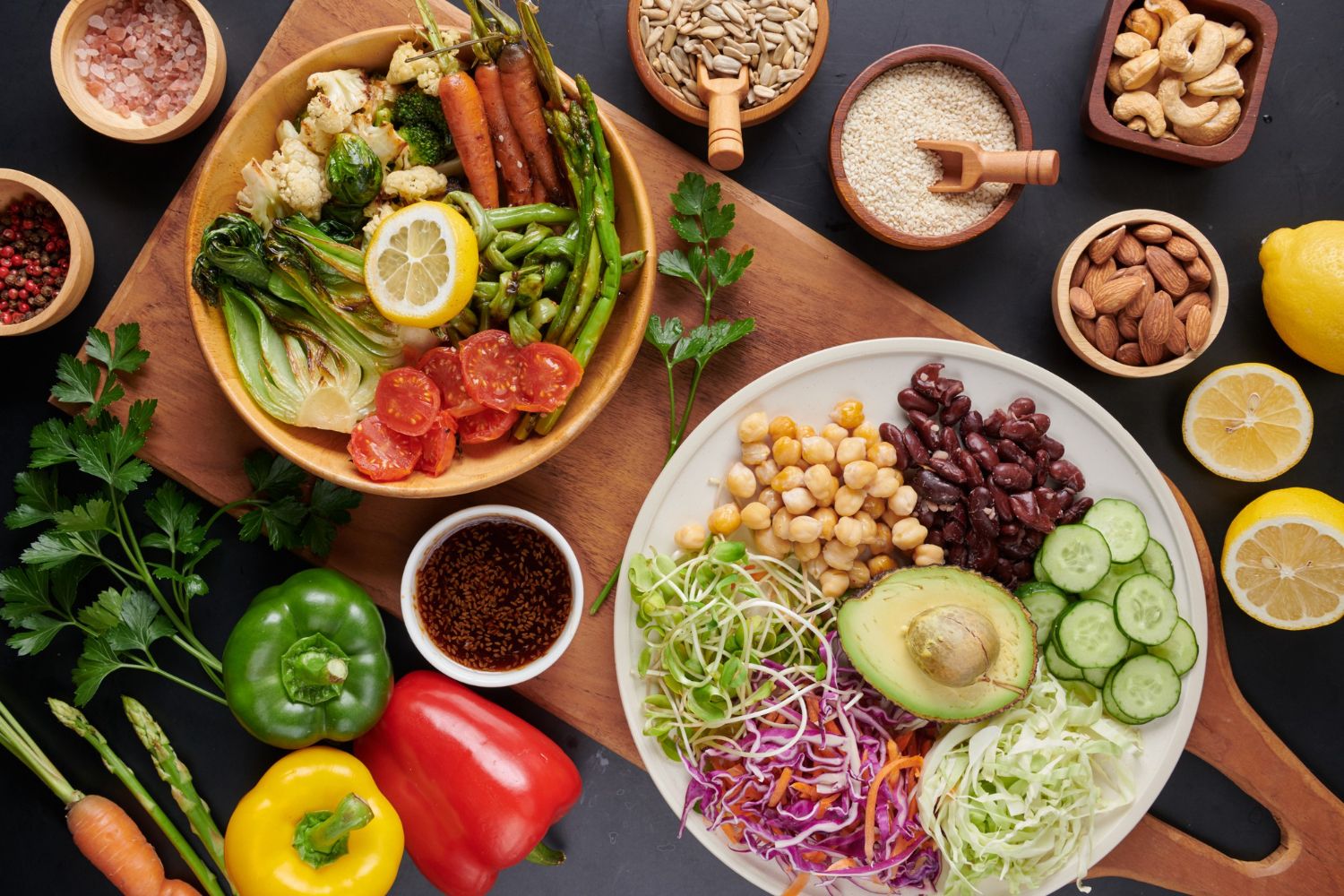
Protein: it’s easy to get enough protein without meat. Great sources are pulses (lentils, chickpeas, beans), tofu, tempeh, quinoa and plant-based protein powders.
Healthy fats: vegans usually get plenty. You’ll find them in avocados, seeds, plant oils and nuts.
Carbs: choose slow-release carbs that keep you full for longer. Wholegrain foods, sweet potatoes, quinoa, brown rice and oats are ideal. They are rich in fibre and help keep blood sugar steady.
Fibre: fibre helps digestion and keeps you full for longer. Eat lots of vegetables, fruit, whole grains and pulses.
Vitamins and minerals: watch vitamins B12 and D, and minerals like iron and calcium. You can get B12 from fortified foods or supplements. Calcium is in plant milks and green leafy vegetables.
Variety: mix up many kinds of vegetables, fruit, pulses, nuts and seeds. Then you’ll get lots of different nutrients and won’t miss anything.
If you follow these tips, your vegan diet will be balanced and tasty. And don’t be afraid to try new foods like jackfruit or tempeh. Food should be fun.
Which nutrients should vegans watch?
A vegan diet can bring lots of health benefits. But as with any diet, your body needs all the nutrients it needs. A vegan diet can be full of vitamins, minerals and fibre. Still, you need to watch a few nutrients that are harder to get or absorb from plant foods. Here are the nutrients vegans should watch and how to get enough of them.
1. Vitamin B12
Vitamin B12 is one of the most important vitamins, and vegans often lack it. It is only found naturally in animal products, so vegans need other sources. Too little B12 can cause tiredness, weakness, nerve problems or even anaemia.
How to get B12:
Fortified foods: many plant milks, cereals and some types of yeast have added B12.
Supplements: if you can’t get enough from food, think about a vegan B12 supplement.
2. Omega-3 fats
Omega-3 fats, mainly EPA and DHA, help your heart and brain work well. A vegan diet does have omega-3s, but in a form called ALA. The body has to turn ALA into EPA and DHA, and it doesn’t always do this well.
How to get omega-3s:
Flaxseeds, chia seeds and walnuts: these foods have ALA, which the body turns into EPA and DHA.
Plant oils: flaxseed, hemp and rapeseed oils are great sources of ALA.
Supplements: vegans can also take omega-3 supplements made from algae. They contain EPA and DHA directly.
3. Vitamin D
Vitamin D helps your body take in calcium and keeps your bones healthy. It is mostly found in animal products like egg yolks and fish, so vegans may not get enough. Luckily, your body can make vitamin D in sunlight. But on dull days, in winter or in places with weak sun, it can be hard to get enough.
How to get vitamin D:
Fortified foods: some plant milks, orange juices and cereals have added vitamin D.
Sunlight: try to spend at least 15–20 minutes a day in the sun (this depends on your skin and the time of year).
Supplements
4. Calcium
Calcium keeps bones and teeth healthy. On a vegan diet, it can be harder to get the amount you need each day. Keep in mind that some plant foods contain oxalates, which can make it harder for your body to take in calcium.
How to get calcium:
Green leafy vegetables: broccoli, cabbage and kale are great plant sources of calcium.
Fortified foods: some plant milks and tofu have added calcium.
Nuts and seeds: almonds and sesame seeds are also rich in calcium.
5. Iron
Iron helps your body make red blood cells and carry oxygen. A vegan diet may have iron that is harder for the body to take in than iron from animal foods.
How to get iron:
Pulses, tofu, tempeh and nuts: great plant sources of iron.
Green leafy vegetables: spinach, kale and chard are rich in iron.
Vitamin C: it helps your body take in iron from plants. So eat iron-rich foods with foods that have vitamin C, like citrus fruits, peppers or broccoli.
6. Zinc
Zinc keeps your immune system strong and helps cells repair. Some plant foods have zinc, but the body takes it in less easily than from animal foods.
How to get zinc:
Pulses, nuts and seeds: great sources of zinc.
Whole grains: buckwheat, quinoa, oats and brown rice have plenty of zinc.
How can you avoid common mistakes when going vegan?
Going vegan can feel a bit messy at first. But with some planning, it will be easy. Planning your meals saves you time and money. It also saves you the stress of not knowing what to cook or buy.
Try these steps:
Plan your meals a week ahead.
Write a list of the ingredients you need.
Make sure you have everything at home.
That way, you won’t buy random vegan products you may never use. You also won’t run out of the basics for a balanced meal. And don’t forget simple recipes. They let you cook fast and still give your body all the nutrients it needs.
Why add jackfruit to a vegan diet?
Jackfruit is a real treasure for vegans. It has a meaty texture and a neutral taste, so it’s an ideal meat substitute. Young jackfruit is perfect for “pulled” dishes like vegan tacos, burgers or curries. It replaces meat and has a texture like pulled pork.
Jackfruit is rich in:
fibre,
vitamins (like vitamin C and B6),
minerals like potassium, magnesium and iron.
It is low in fat and calories but high in carbs. So it’s great for weight-loss diets or as part of a balanced diet. Jackfruit gives you new ways to make tasty, healthy meals. They will please even people who can’t imagine life without meat.
What’s the takeaway?
Going vegan doesn’t have to be hard if you take it step by step. With a little planning, smart food choices and an open mind for new flavours and recipes, you can make a meal plan that is healthy and fun.
Jackfruit has a meaty texture and a neutral taste. That makes it the perfect friend for anyone who wants tasty, healthy and planet-friendly dishes. Whether you want a meat substitute or just something new, jackfruit lets you play in the kitchen without giving up great taste. Veganism can be healthy, creative and delicious.
Author: Ing. Kateřina Jakešová, nutrition specialist and copywriter
FAQ: Starting a vegan diet
How should I start a vegan diet?
Start slowly. Pick a few plant-based days each week, then add more over time.
Which nutrients do vegans need to watch?
Vitamin B12, vitamin D, omega-3 fats, calcium, iron and zinc.
Where do vegans get protein?
From pulses, tofu, tempeh, quinoa, nuts, seeds and plant-based protein powders.
Is jackfruit good for vegans?
Yes. Young jackfruit is a tasty meat substitute and is rich in fibre and vitamins.