Why Do Bananas Ripen at Home but Strawberries Don’t? Fruit Ripening Explained
Bananas, avocados, mangoes, apples, pears and jackfruit keep ripening after harvest because they react to ethylene, a plant hormone. Strawberries, grapes, cherries, citrus fruit and pineapples don’t get much sweeter once picked, so buy them already ripe.
You buy green bananas, and a few days later there’s sweet, brown-spotted fruit on your worktop. But strawberries you bought unripe usually stay that way, even after a week. Why does some fruit keep ripening after it’s picked, while other fruit doesn’t? It all comes down to how fruit reacts to a plant hormone called ethylene. Once you understand how it works, you may stop storing apples next to everything else. You’ll also see why some exotic fruit tastes so different a few days after you buy it.
Why does fruit ripen?
Ripening isn’t just about a green fruit changing colour. Lots of changes happen inside. They affect the taste, smell, texture and look of the fruit. Starch slowly turns into simple sugars. Parts of the cell walls break down, so the fruit gets softer. And new smells form, so you can tell a ripe peach or banana even before you taste it.
That’s why ripe fruit is usually sweeter, softer and smells better. But not all fruit keeps changing in the same way. And that’s where ethylene comes in.
What is ethylene?
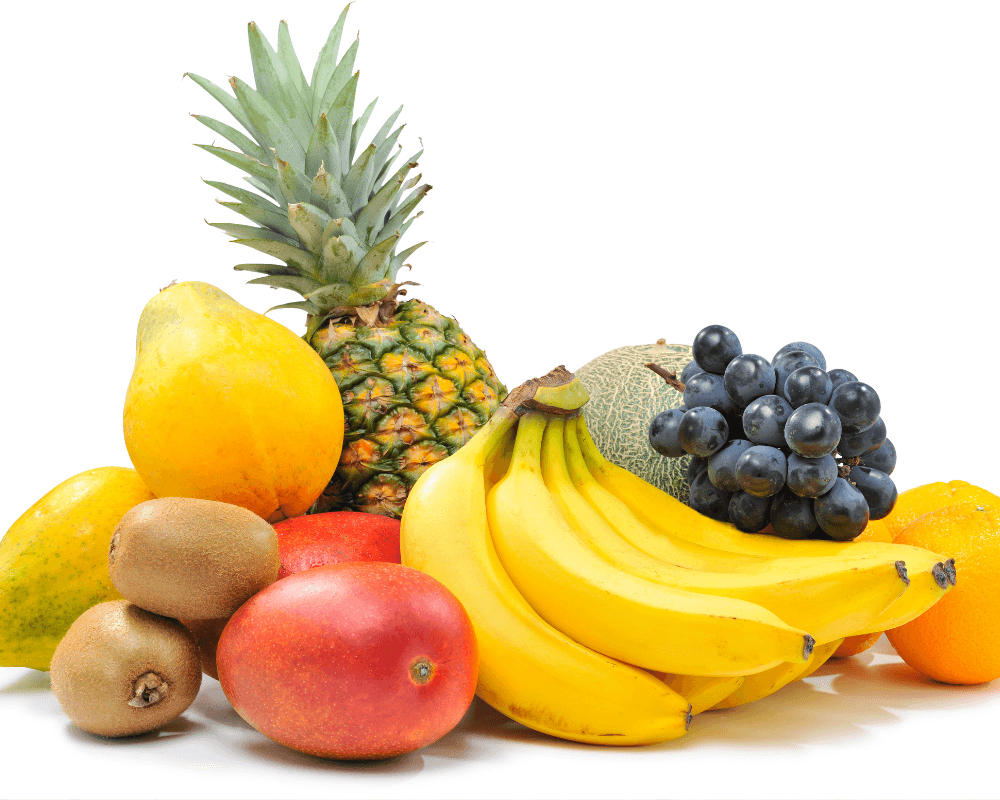
You may have heard this tip: put a hard avocado in a paper bag with an apple, and it will ripen faster. It’s not just an old wives’ tale. Ethylene is a plant hormone in the form of a gas. It helps some types of fruit ripen. Fruits make it themselves, and they also react to it.
In some fruits, ethylene can start or speed up softening, colour changes and the typical smell. But it doesn’t work the same on all fruit. You can leave a strawberry next to bananas for days, and it still won’t turn into a sweet, perfect strawberry. That’s why scientists split fruit into two main groups.
Which fruits keep ripening after they are picked?
Fruit that can keep ripening after it’s picked is called climacteric. While it ripens, it makes much more ethylene and “breathes” faster.
This group includes:
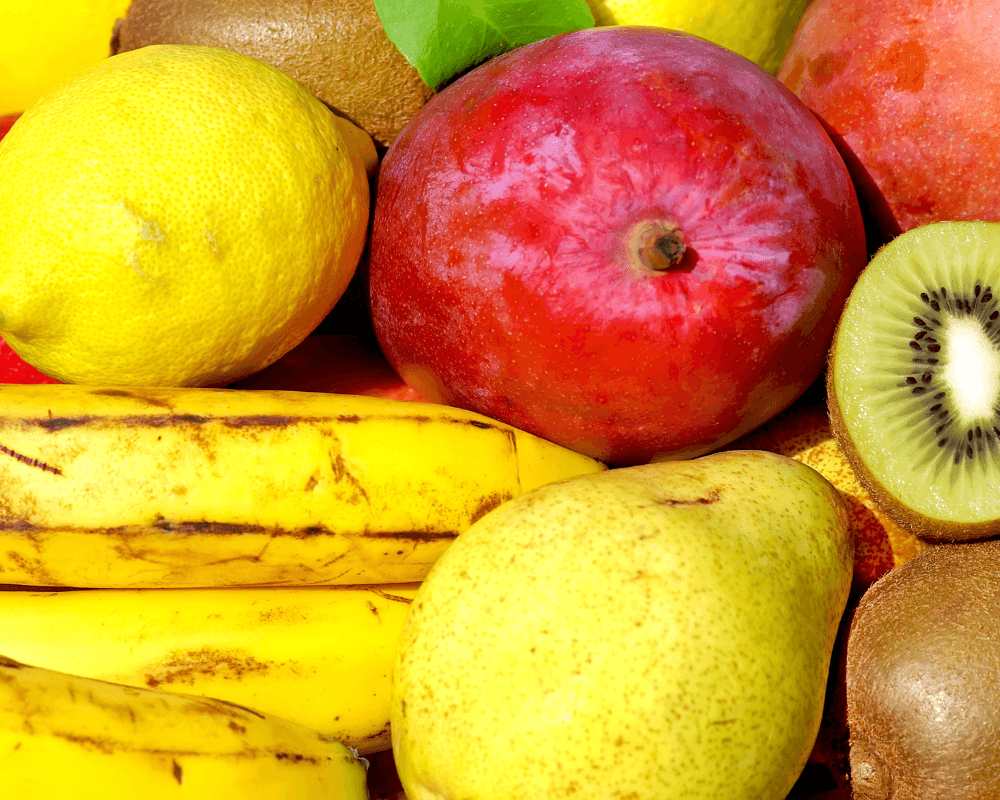
Bananas: green fruit slowly turns yellow, softens and gets sweeter.
Apples: they can keep ripening, but it depends on the variety.
Pears: some kinds are even picked firm and only get their best texture later.
Avocados: they slowly soften after harvest and become creamy.
Mangoes: a well-grown mango can soften, sweeten and develop its smell at home.
Kiwis: they can ripen after harvest in the right conditions.
Peaches and nectarines: they can keep softening and get more fragrant after picking.
But keep one thing in mind. Ripening isn’t the same as just getting soft. If fruit is picked too early, it may never taste as good as fruit picked at the right time. Ethylene can’t replace everything the fruit missed out on while it was on the plant.
Why are green bananas less sweet?
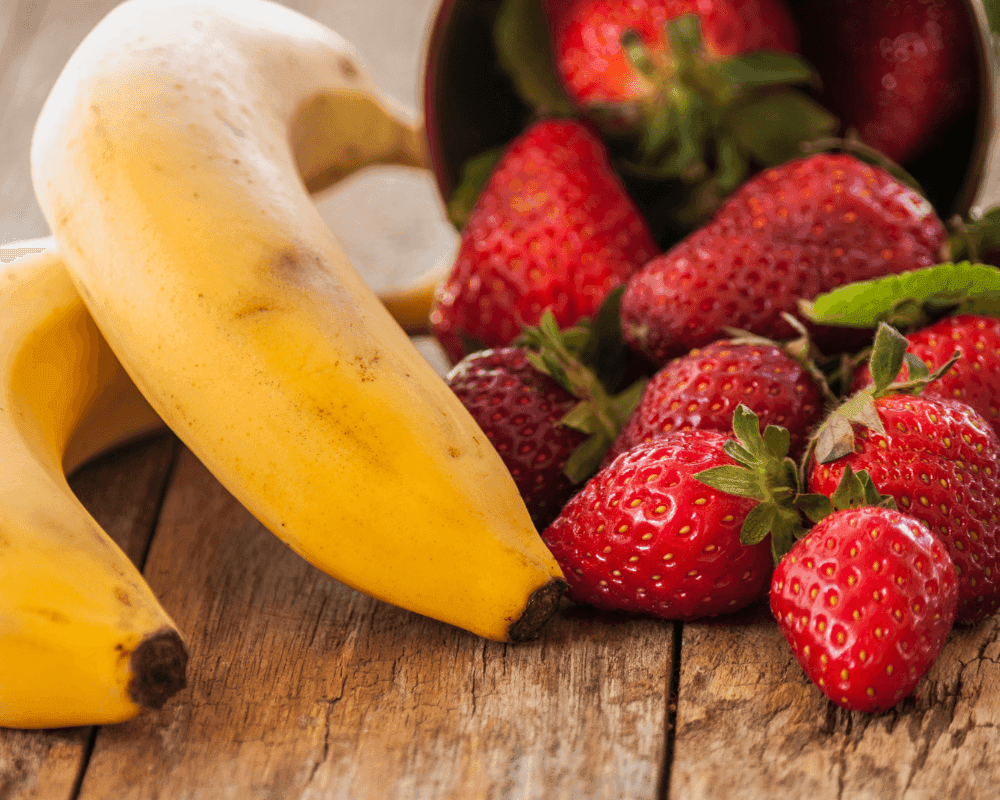
With bananas, you can see and taste the difference. A green banana has more starch, including resistant starch. As it ripens, much of the starch turns into sugar. That’s why the banana slowly gets sweeter. The texture changes too. The firm fruit gets soft and easy to mash, for porridge or banana bread, for example.
So brown spots on the skin don’t mean the banana has gone bad. Often they just mean it’s riper. But if the flesh is mouldy, smells bad or looks spoiled, throw it away.
Which fruits don’t ripen after they are picked?
The second group is non-climacteric fruit. It doesn’t make much more ethylene or “breathe” faster like climacteric fruit. After it’s picked, its look and texture may still change. But its taste usually won’t get much better.
This group includes:
Strawberries
Grapes
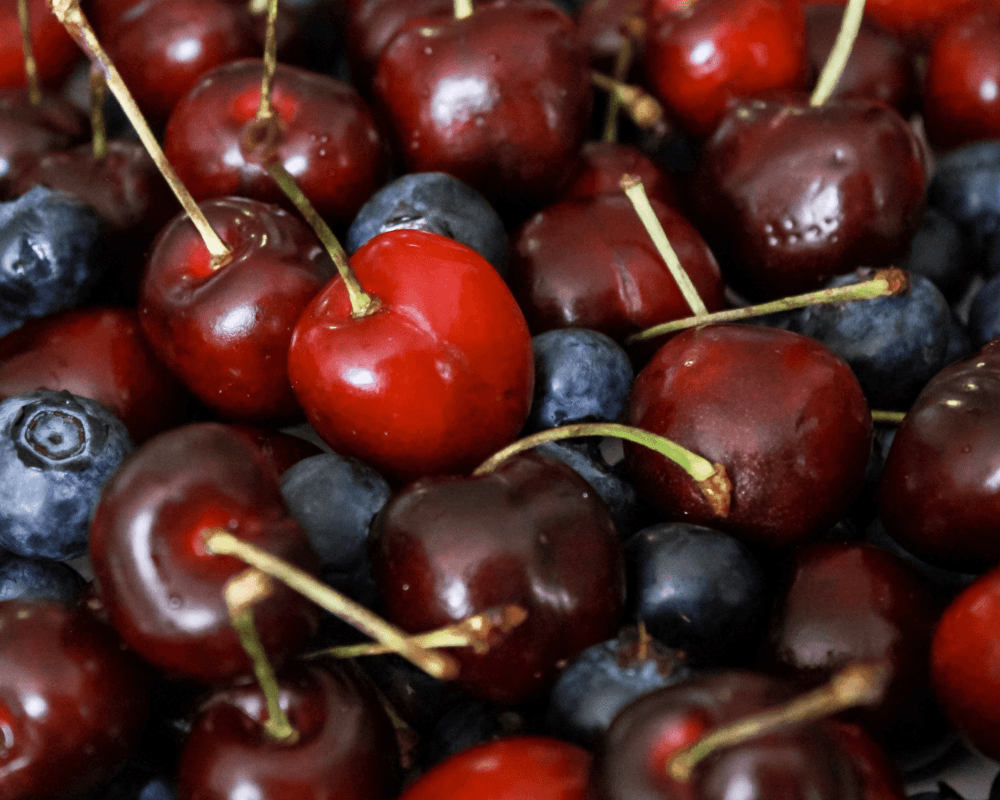
Cherries
Citrus fruit, like oranges and mandarins
Pineapples
Raspberries and blackberries
Watermelons
For these fruits, it matters much more how ripe they were when the grower picked them.
Why won’t strawberries get sweeter at home?
While strawberries grow on the plant, the plant sends them sugar. Once you pick them, that stops. After picking, they may still soften or change in look. But they can’t get much sweeter the way bananas do.
That’s why hard, pale strawberries with almost no smell in the shop usually stay that way, even after a few days on the kitchen counter. Choose strawberries that already smell good and have a deep colour when you buy them. Then eat them soon.
Does jackfruit ripen after it is picked?
Yes. Jackfruit is a climacteric fruit, so it can keep ripening after harvest in the right conditions. It must be picked when it is grown enough. But unlike bananas, we don’t always buy jackfruit to let it get sweet. In the kitchen, we use it at two different stages.
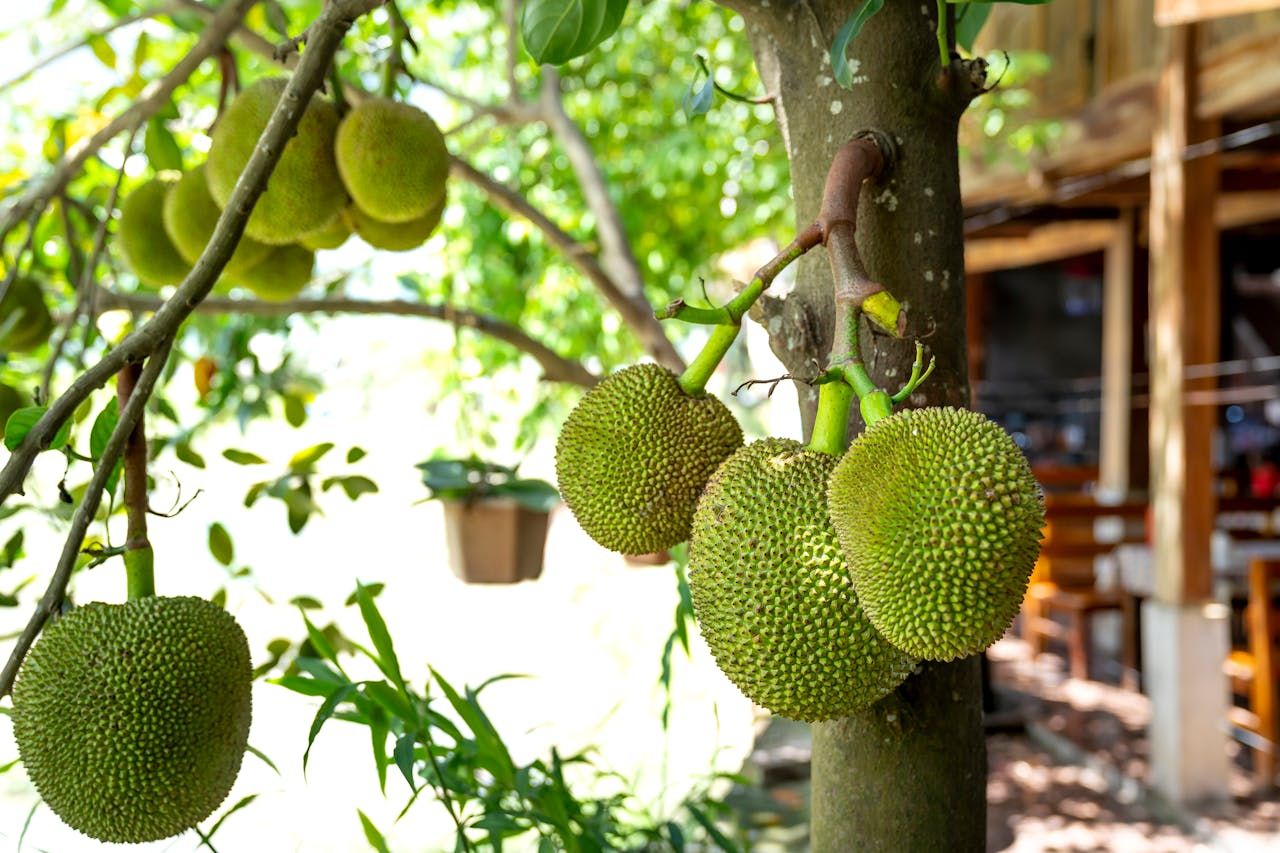
Ripe jackfruit: a sweet tropical fruit
Ripe jackfruit has a strong smell and a sweet taste, a bit like mango, pineapple or banana. People eat the flesh as fruit and add it to desserts, smoothies or fruit salads. As it ripens, its colour, smell and texture change.
Curious about other lesser-known tropical fruits? Read our article Exotic Fruit You Can Buy in the Czech Republic: Have You Tried Them?.
Young jackfruit: a totally different food
Young jackfruit is picked before it gets sweet. It has a mild, fairly neutral taste and a stringy texture. That’s exactly why it works in savoury dishes. You can shred it, season it, fry it and cook it a lot like pulled meat.
You’d use ripe jackfruit in a fruit salad. Young jackfruit goes into burgers, curries, tacos or goulash. And here is an important difference. If you buy young jackfruit in a can, it won’t ripen into sweet jackfruit at home. Heating it during canning stops the natural ripening.
That isn’t a flaw. In fact, it gives you a food with exactly what you need for savoury cooking.
To learn more about choosing the right type, read our article How to Spot Good-Quality Jackfruit: What to Look Out for When Buying.
How can you make fruit ripen faster at home?
Did you buy a hard avocado or green bananas and don’t want to wait a whole week? There’s a simple way to speed up some fruit.
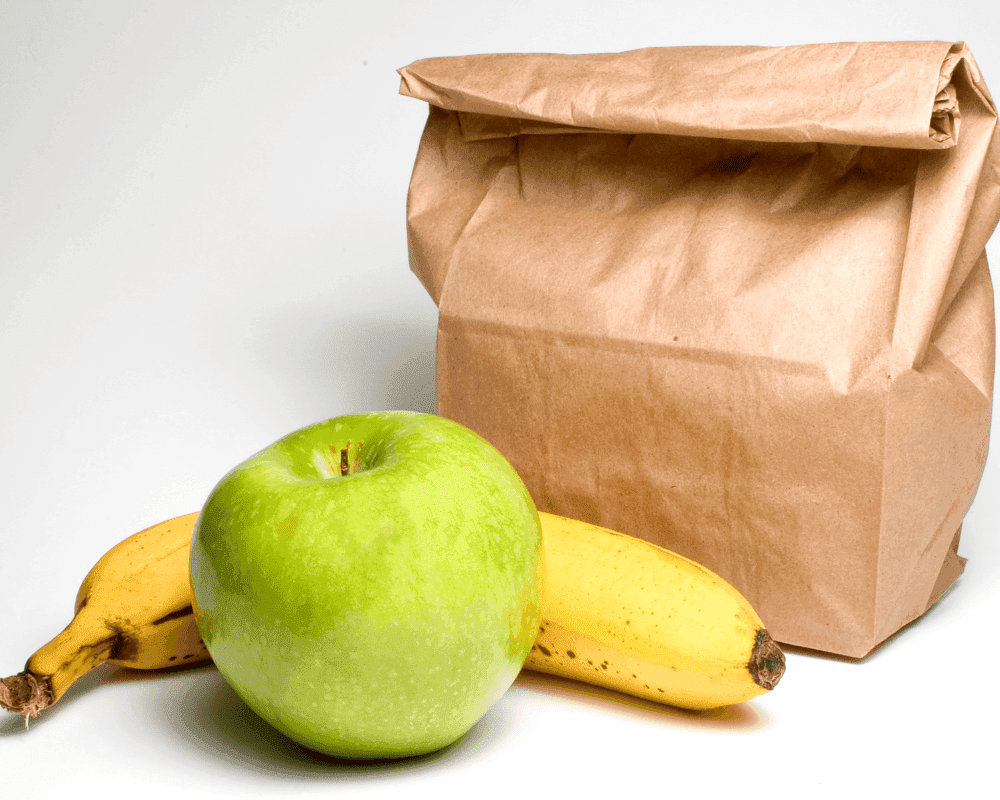
Use a paper bag and an apple
Put the fruit in a paper bag with a ripe apple or banana. Fold the bag loosely closed and leave it at room temperature. The ethylene builds up inside, which helps the fruit ripen.
This works with:
avocados,
mangoes,
kiwis,
some pears,
bananas.
Check the fruit every day. How fast it ripens depends on how ripe it was, the variety and the temperature. Why a paper bag and not a plastic one? Paper lets moisture out and lets some air through. In a closed plastic bag, water drops can form, and the fruit may go bad faster.
Should you put fruit in the sun?
You might want to put a hard mango or avocado on the windowsill above the radiator. But more heat doesn’t always mean better ripening. Too much heat can make fruit soften unevenly, dry out or go bad faster. For normal ripening at home, room temperature out of direct sunlight is usually best.
Why shouldn’t you store all fruit together?
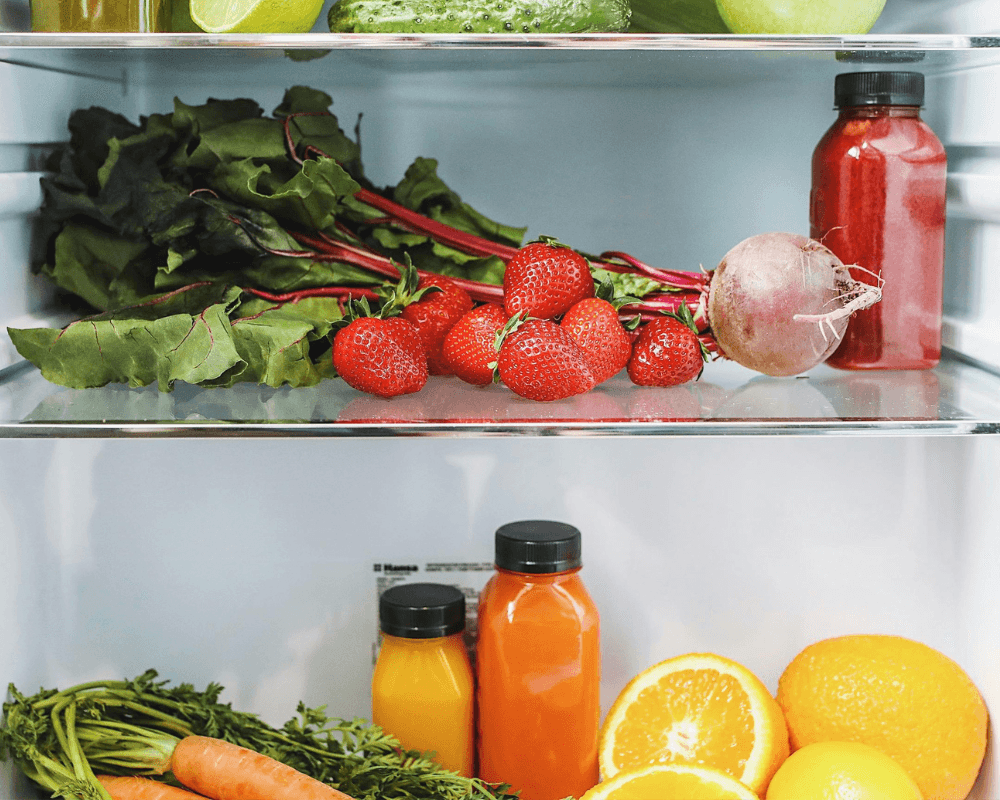
A bowl full of apples, bananas, kiwis and pears looks lovely. But some fruits give off ethylene, and others react to it. So fruit you wanted to save for later may ripen, soften or age faster. Apples are a typical example. They can give off ethylene while stored. If you keep them next to kiwis or an unripe avocado, those will ripen faster. That’s handy if you want to eat them soon. It’s less handy if you want them to last.
The simple rule:
Want fruit to ripen faster? Put the right fruits together for a while.
Want fruit to stay fresh longer? Keep strong ethylene makers away from sensitive fruit, and store each type the way it needs.
And it’s not just fruit. Some vegetables react to ethylene too, like leafy greens and broccoli.
Should fruit go in the fridge or on the counter?
There’s no single rule for everything. It depends on the type of fruit and whether it’s already ripe.
Bananas: keep unripe ones at room temperature. You can chill ripe ones for a short time, but the skin may go dark.
Avocados: let hard ones ripen on the counter, then move ripe ones to the fridge.
Mangoes: keep unripe ones at room temperature and ripe ones somewhere cool.
Strawberries: put them in the fridge as soon as you can and eat them quickly.
Apples: to keep them longer, store them somewhere cool, best in the fridge.
Pears: let them ripen at room temperature, then put ripe ones in the fridge.
Pineapples: buy them ripe enough. To keep them longer, store them somewhere cool.
Some tropical fruits can be damaged by cold before they are ripe. This is called chilling injury. So don’t put a hard mango or unripe avocado straight into the fridge after you buy it. One more tip: take any fruit that’s starting to go bad away from the rest. Mould is never part of good ripening.
Can you tell if fruit is ripe by its colour?
Sometimes, but not always. With bananas, the skin turning from green to yellow is a good sign. With mangoes, it’s trickier. Some kinds stay mostly green even when ripe. And with avocados, it depends on the variety. Hass usually gets darker as it ripens, but other kinds stay green. So it helps to use your other senses too.
What should you check when you choose fruit?
Smell: a ripe mango, peach or some pears have a nice, strong smell.
Firmness: an avocado or mango should give a little when you press it gently. It shouldn’t be mushy.
Look: check for damaged skin, bruises, mould and signs of spoiling. Colour alone may not be enough.
With exotic fruit, it also helps to know what you are buying. Some fruits are eaten sweet and fully ripe. Others are best in the kitchen when they are unripe.
Jackfruit is a great example. If you like finding new kinds of fruit, read our comparison Jackfruit vs. Breadfruit: What’s the Difference?.
Why does some fruit taste better on holiday?
You may know this feeling. A mango picked near where it grew tasted amazing. But the one from the supermarket at home was hard, less fragrant and a bit watery. That doesn’t mean imported fruit is bad. The time of picking, the variety, transport and storage all matter. Fruit that has to travel far is often picked firmer, so it won’t get damaged on the way.
Climacteric fruit can keep ripening during or after the trip. But if it was picked too early, its taste may not get as good as fruit that ripened longer on the plant. For non-climacteric fruit, the time of picking matters even more, because it won’t get much sweeter later. So look at more than just how fruit looks. Also think about where it comes from, the season and how ripe it is when you buy it.
What should you remember next time you buy fruit?
You don’t need to learn hard words or study plants. Just remember that not all fruit acts the same way after it’s picked. Bananas, avocados and mangoes picked at the right time can keep ripening at home. Strawberries, grapes and pineapples are best bought ripe enough. And if you want to speed things up, a paper bag with an apple can be a really useful helper for the right fruit.
Jackfruit is even more interesting. Ripe jackfruit is a sweet tropical fruit, while young jackfruit is a food for savoury cooking. With its mild taste and stringy texture, it fits anywhere you want to try something other than classic meat.
Want to cook it at home? Start with our article How to Prepare and Store Jackfruit: 5 Simple Tricks. You’ll learn how to season it, marinate it and use it in everyday recipes.
Author: Ing. Kateřina Jakešová, nutrition specialist and copywriter
FAQ: Fruit ripening
Which fruits ripen after picking?
Bananas, apples, pears, avocados, mangoes, kiwis, peaches, nectarines and jackfruit.
Which fruits don’t ripen after picking?
Strawberries, grapes, cherries, citrus fruit, pineapples, raspberries, blackberries and watermelons.
How can I ripen an avocado faster?
Put it in a paper bag with a ripe apple or banana and leave it at room temperature.
Will canned young jackfruit ripen at home?
No. Canning stops ripening, so it stays mild and ready for savoury dishes.